
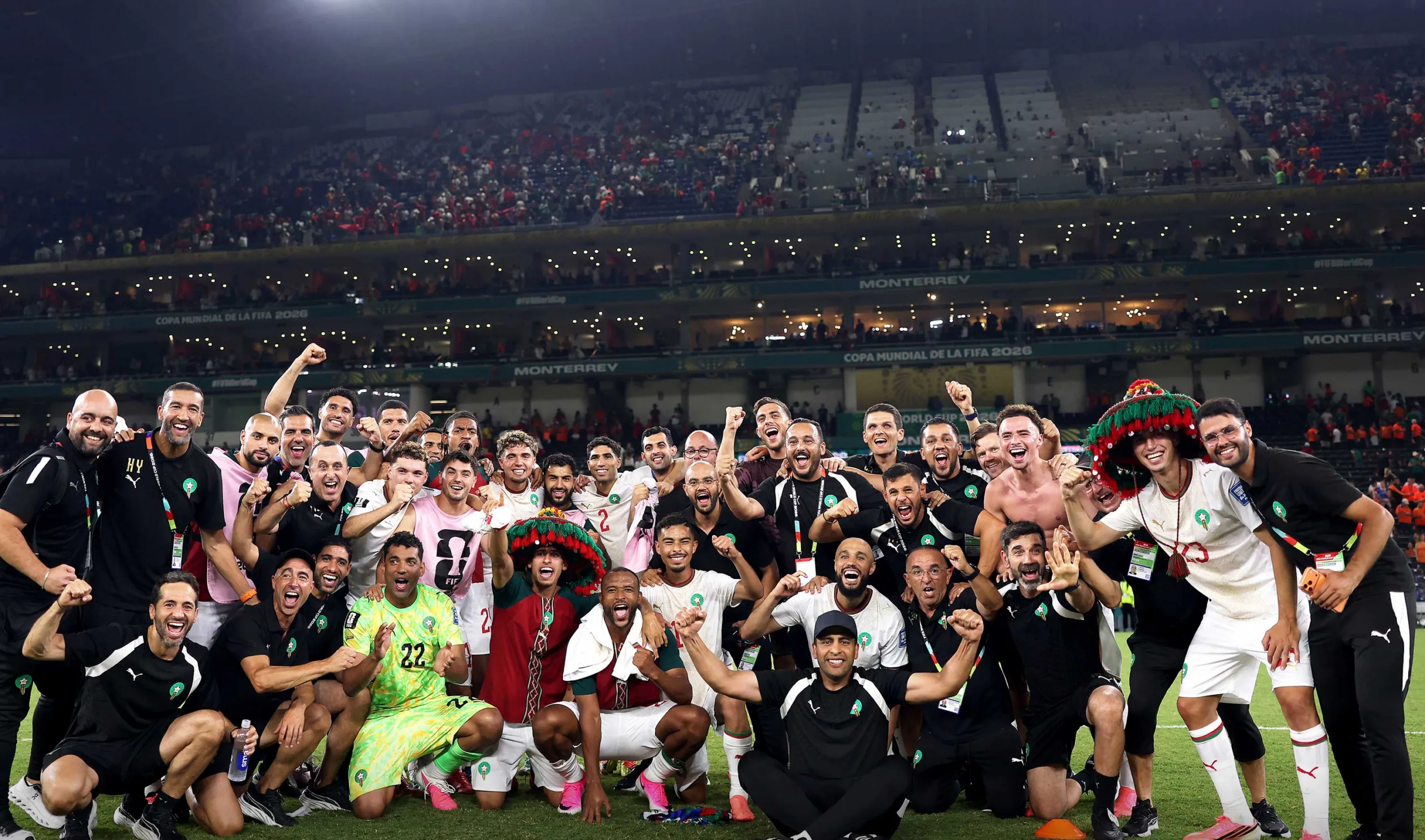
Football, that great cruel romantic, was in a particularly mischievous mood on Monday night. Morocco came from behind to dump the Netherlands out of the 2026 World Cup, winning a frantic round-of-32 tie 3-2 on penalties after the sides could not be separated through 120 minutes in Monterrey. The match finished 1-1, and then it finished everyone’s nerves.
The Dutch appeared the more likely winners for long stretches of the second half. Cody Gakpo, sprung by a fine Crysencio Summerville break, gave Ronald Koeman’s side the lead in the 72nd minute and promptly dissolved into tears, the kind of celebration that tempts fate rather loudly. Fate, it turned out, was listening.
Deep into stoppage time, with the Netherlands closing in on a place they had reached in 11 previous World Cups, substitute Chemsdine Talbi swung in a cross and an unmarked Issa Diop rose to glance a header into the corner. The clock read 91 minutes. The ‘Oranje’, who had been one minute from the last 16, were instead heading to extra time and a slow walk towards the abyss.
If the equaliser was dramatic, what followed bordered on theatre. Soufiane Rahimi went clean through in the 96th minute and looked certain to win it, only for Netherlands goalkeeper Bart Verbruggen to produce a point-blank stop that several reports called the save of the tournament so far. Verbruggen, in fairness, had been magnificent all night, denying Neil El Aynaoui and Achraf Hakimi in the first half with reflexes that belonged in a different sport. He alone kept the Dutch breathing.
And so to penalties. Tijjani Koopmeiners opened smartly for the Netherlands and Morocco missed their first when El Aynaoui clattered the bar. Yet the Atlas Lions did not flinch. Misses from Justin Kluivert and Quinten Timber, the latter ballooning his effort well wide of an open net, hauled Morocco level and then ahead in the count. With the score at 2-2 after four rounds, Yassine Bounou guessed correctly and pushed away Summerville’s spot-kick with a strong left hand, leaving Ismael Saibari to settle it.
Saibari did not so much take his penalty as deliver a verdict, rolling it low into the corner as Verbruggen dived the other way before tearing off his shirt and disappearing under a pile of jubilant teammates. The midfielder’s strike sealed a 3-2 shoot-out win and a place in the round of 16.
Read More
It is a remarkable turn for a Netherlands side that had scored 10 goals in the group stage, including a 5-1 thrashing of Sweden. Koeman switched to a back five for this tie and watched his team surrender possession and initiative to a Moroccan side that, by most accounts, simply wanted it more. The Dutch had more talent on paper and rather less of the ball on grass, and their tactics will now face the sort of scrutiny that follows an early exit. It is their earliest World Cup departure in a generation, and the wait for a first world title stretches on, possibly to 2030.
For Morocco, this is continuity rather than fairytale. The Atlas Lions, semi-finalists in Qatar four years ago and now sixth in the FIFA rankings, arrived in North America as one of the tournament’s quieter contenders and have lost nobody’s respect since drawing with Brazil on the opening day. Coach Mohamed Ouahbi, who only took charge in March, struck a defiant note afterwards, insisting that no side is unbeatable and that his players must believe nobody can stop them.
Next comes a meeting with the great unknown of any knockout draw: a co-host with a crowd behind them. Morocco face Canada at NRG Stadium in Houston on Saturday, a rematch of the 2022 group game that the Atlas Lions won 2-1. Canada, ranked 30th, will fancy their chances of an upset on home-continent soil. On the evidence of Monday night, however, Morocco have grown rather fond of breaking other people’s hearts.


