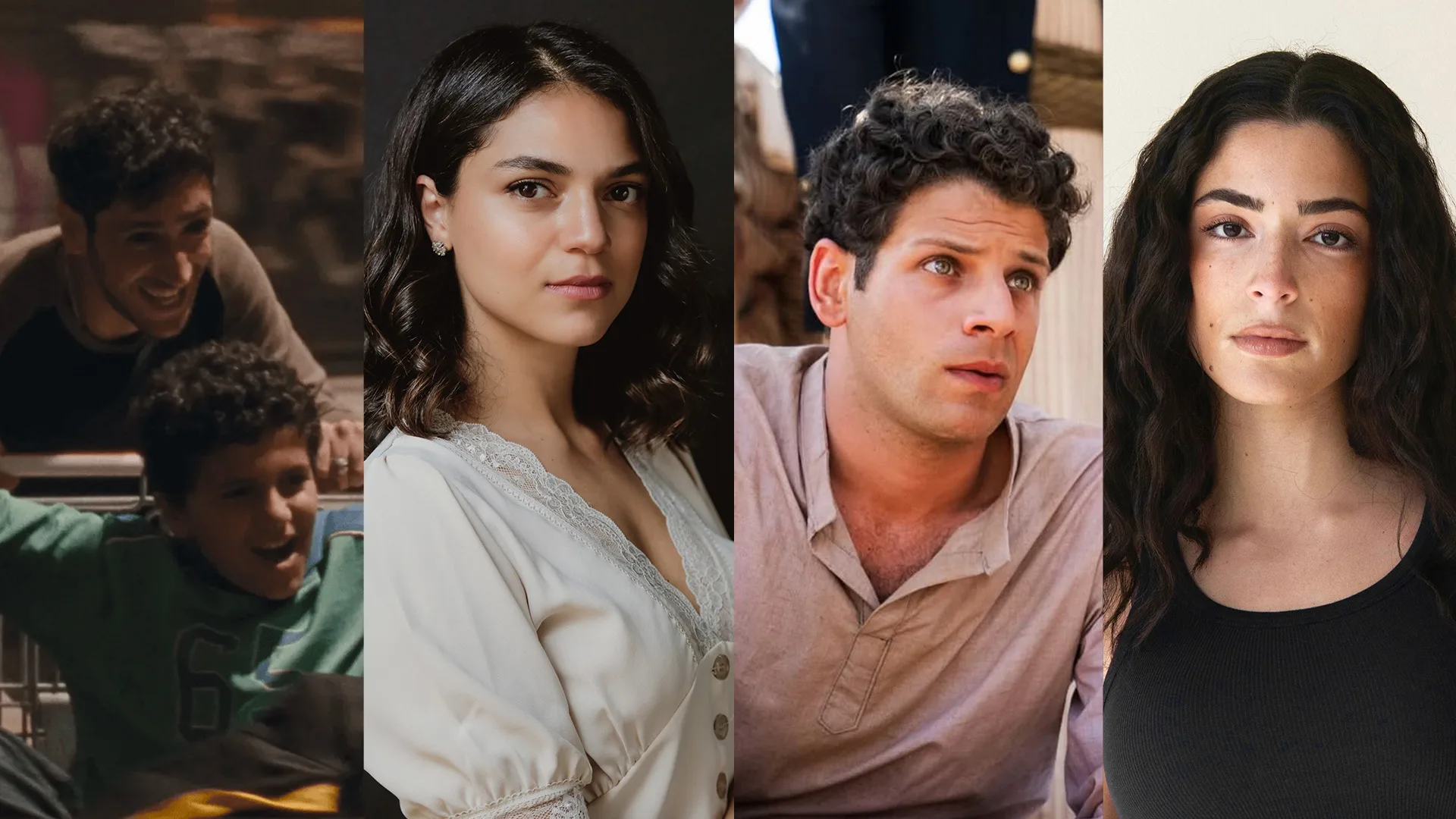

Opening hearts and minds since its Sundance premiere last year, All That’s Left Of You finally reached UK cinemas last Friday, February 6.
Acting as Jordan’s official representation for Best International Feature at the Oscars this year, director, actor, and producer Cherien Dabis pinpoints Palestinian history intricately through three different generations of a Palestinian family. For 146 minutes of screen time, audiences are drawn into ethical dilemmas and existential questioning.
The film was also endorsed by Hollywood stars Mark Ruffalo and Javier Bardem as executive producers.
Born to a Palestinian father and Jordanian mother, Dabis spent most of her childhood in Celina, Ohio, and went on to study filmmaking at Columbia University. Dabis recalls receiving racial abuse from a young age when in Ohio because of her surname, Hussein, and her background.
The very first film Dabis remembers seeing in theatres was Steven Spielberg’s E.T. (1982), which she felt had many relatable themes to being Palestinian. The filmmaker knew she had to do more than just sit back and watch films, “I resonated with how films speak a universal language of emotion that impacts people and their ability to open hearts. That’s when I knew I had to be a storyteller.”
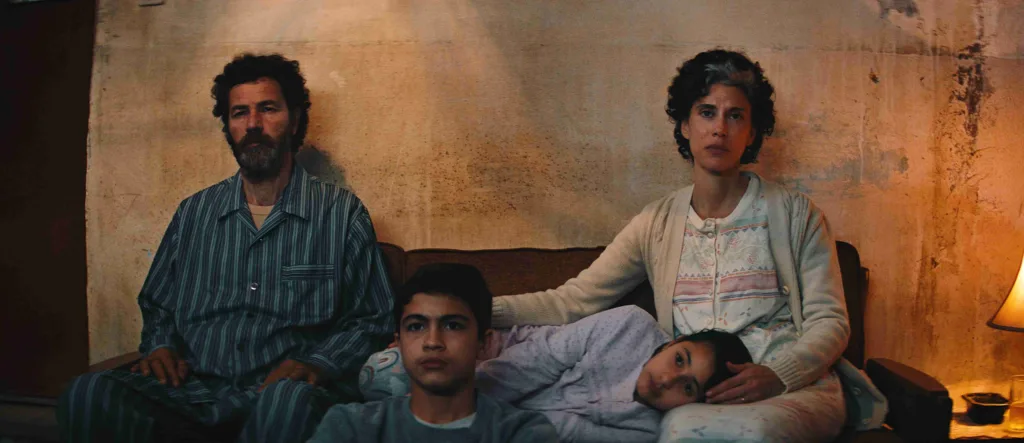
While most of the film stuck close to the original first draft, Dabis reveals that her Palestinian crew members contributed a lot in preparation for the film: “Everyone shared family stories, ideas, and even games when they were stuck inside from curfew or cities were being bombed.” One such scene appears in the film when Sharif’s family is stuck inside playing a game called “governor,” which resembles the current-day Traitors series.
Read More
Having a close bond on set was something important for the Ohio-born director, banding together in the current climate, she states “the movie was a comfort that we poured ourselves into… there was so much beauty in the ugliness that we were able to appreciate.” The reception to the film has also been one of appreciation Dabis adds, “I’ve had so many beautiful experiences with audience members, I feel I now contain a multitude of their stories, they’ve shared so much of themselves with me.”
Palestinian cinema has a plethora of great films that the Columbia graduate feels passionate about. She shares some she feels deserve to be spotlighted with Complex MENA: “I’m a big fan of Elia Suleiman’s work. I think everyone has to see Divine Intervention (2002), I watched it in film school and was just blown away by it. I also really loved The Wanted 18 (2014). It was genius and very funny.”
Dabis also paid tribute to the Palestinian cinema legend and cast member Mohammad Bakri after he passed away before Christmas. “He was Palestinian cinema. He was someone I admired for so many years and always wanted to work with him. To finally do it on this film was a gift; he left behind an incredible legacy that runs in his family.” Continuing on, she says, “He had fun with the character, but was dedicated. When I would call cut, he’d want to do a scene over and over until it was perfect.”
She also shares a story about the late great actor, “There is this family breakfast scene in the film, and there is a baby in my arms, the baby kept crying, and we kept having to cut. At one point, Mohammad decided to just start singing to calm the baby, then Saleh joined in and started drumming. Eventually the baby quietened down; it was such a beautiful moment.”
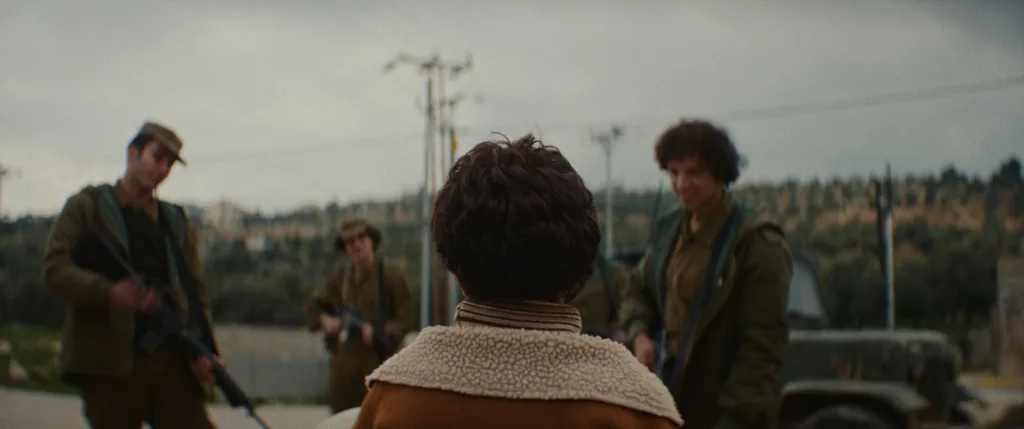
Speaking about the future of Palestinian cinema, Dabis believes that they need to continue to build on the momentum of the past couple of years, “we need more of these stories, and we now have more filmmakers doing this kind of work, which is great. People are now beginning to understand that what happens in Palestine impacts the world.”
To end the discussion, Dabis is asked how she would like to be remembered within Palestinian cinema. The Oscar-nominated star believes there’s much more for her to do but the mission is very clear, “I hope I can be remembered as someone who at least tried to bring some healing to the trauma we’ve experienced and witnessed through film.”