
Dubai has never struggled to imagine the future. It has built skylines from sand, islands from the sea and some of the world’s most ambitious infrastructure. But what if the next chapter isn’t about building bigger, but rather, how do cities create healthier, more connected and more resilient communities for the people who live there?
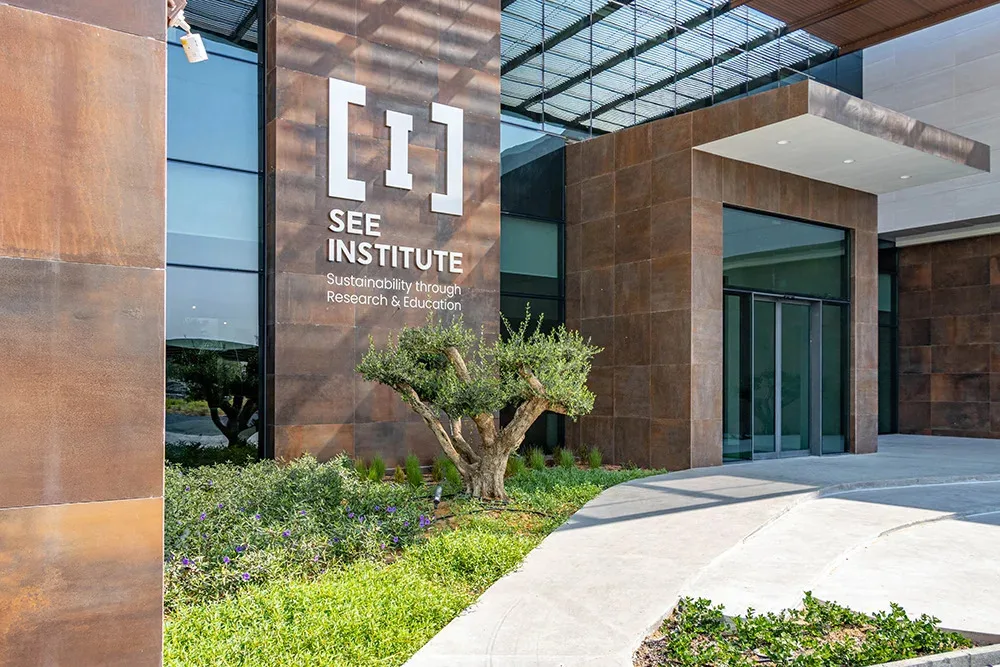
That question sits at the heart of Dubai’s Sustainable City, a community that has spent the past decade testing what sustainable urban living can actually look like. Developed by SEE Holding in 2016 under the vision of founder & chairman Faris Saeed, the community was designed around a working model in which the social, environmental and economic pillars of sustainability come together, creating a place where people and the planet can both flourish.
Nearly ten years in, Dubai’s Sustainable City is no longer a proof of concept. It’s become a blueprint for the next generation of communities, where renewable energy, inclusive design and everyday life intersect to show what tomorrow’s cities could look like.
Where sustainability becomes part of everyday life
The Sustainable City was designed to make sustainable living feel natural.
It goes far beyond its solar panels and net-zero ambitions. For Saeed, the project was born in the aftermath of the 2008 financial crisis with a simple goal: create a community resilient to both economic shocks and climate change by putting people at its centre.
Read More
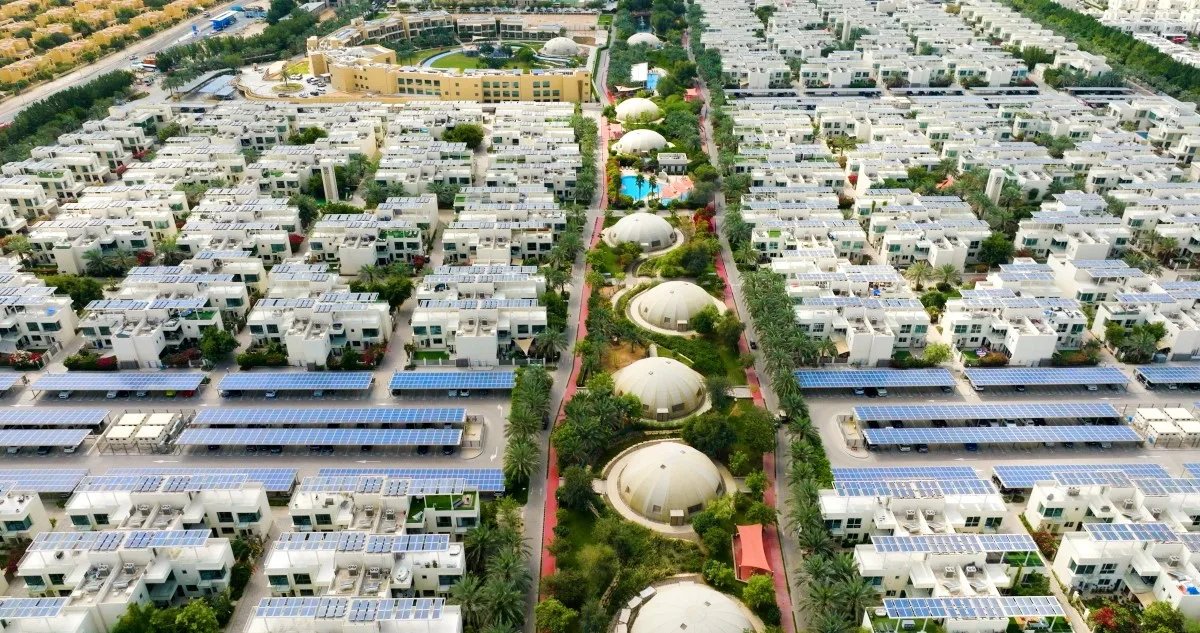
Spanning five million square feet, the development generates more renewable energy than it consumes and encourages residents to walk, cycle or use shared golf carts instead of private cars.
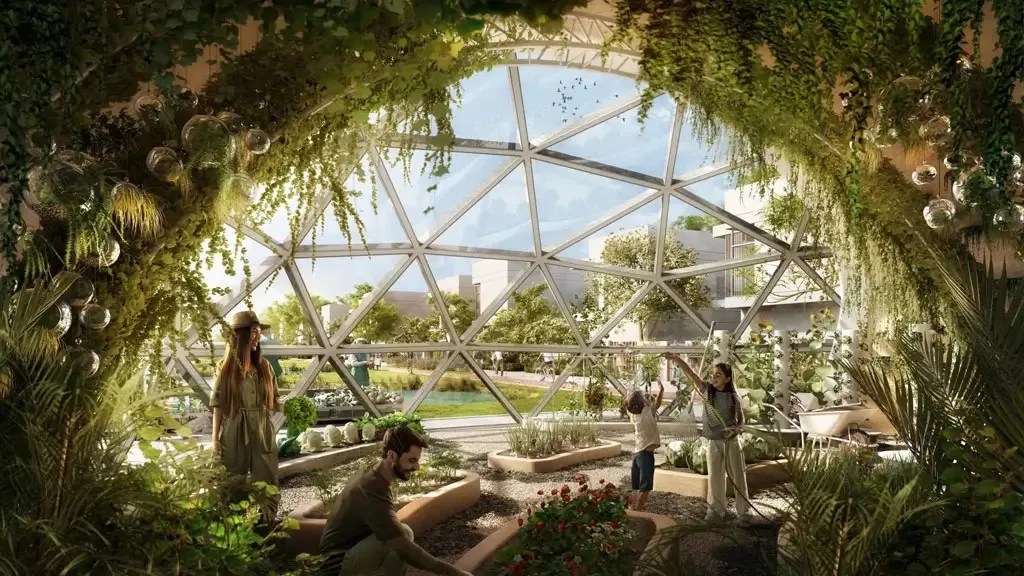
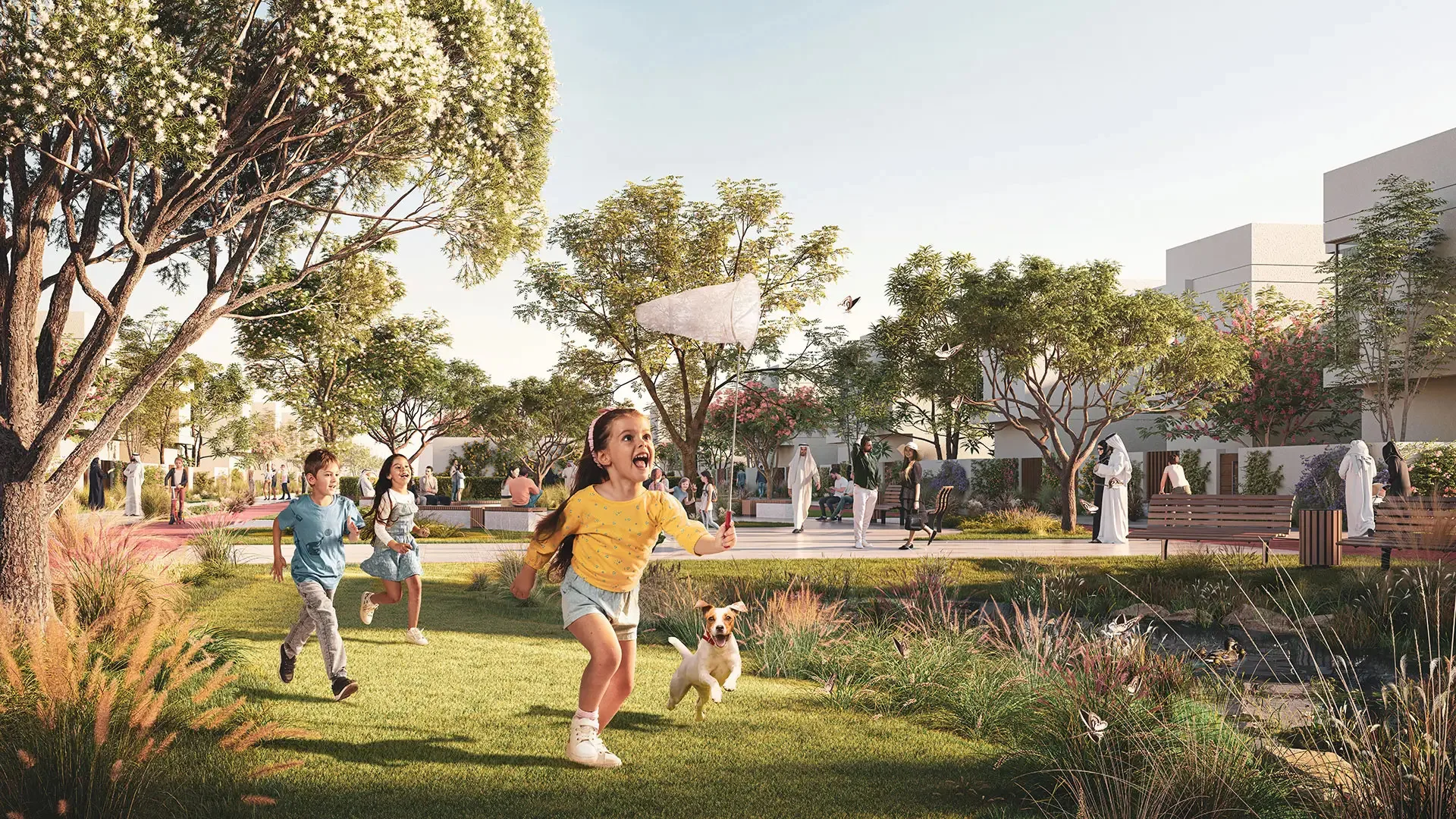
Residents move through walkable streets and shared green spaces. Urban farms and biodomes reconnect communities with food production and biodiversity. Renewable energy, water recycling and resource-efficient infrastructure quietly support everyday life, allowing sustainability to become something people experience rather than simply observe.
Treated wastewater irrigates the landscape, and more than 89 per cent of waste is diverted from landfill. Residents save at least 60 per cent on electricity bills, while the community produces 78 per cent fewer emissions than the UAE residential average.
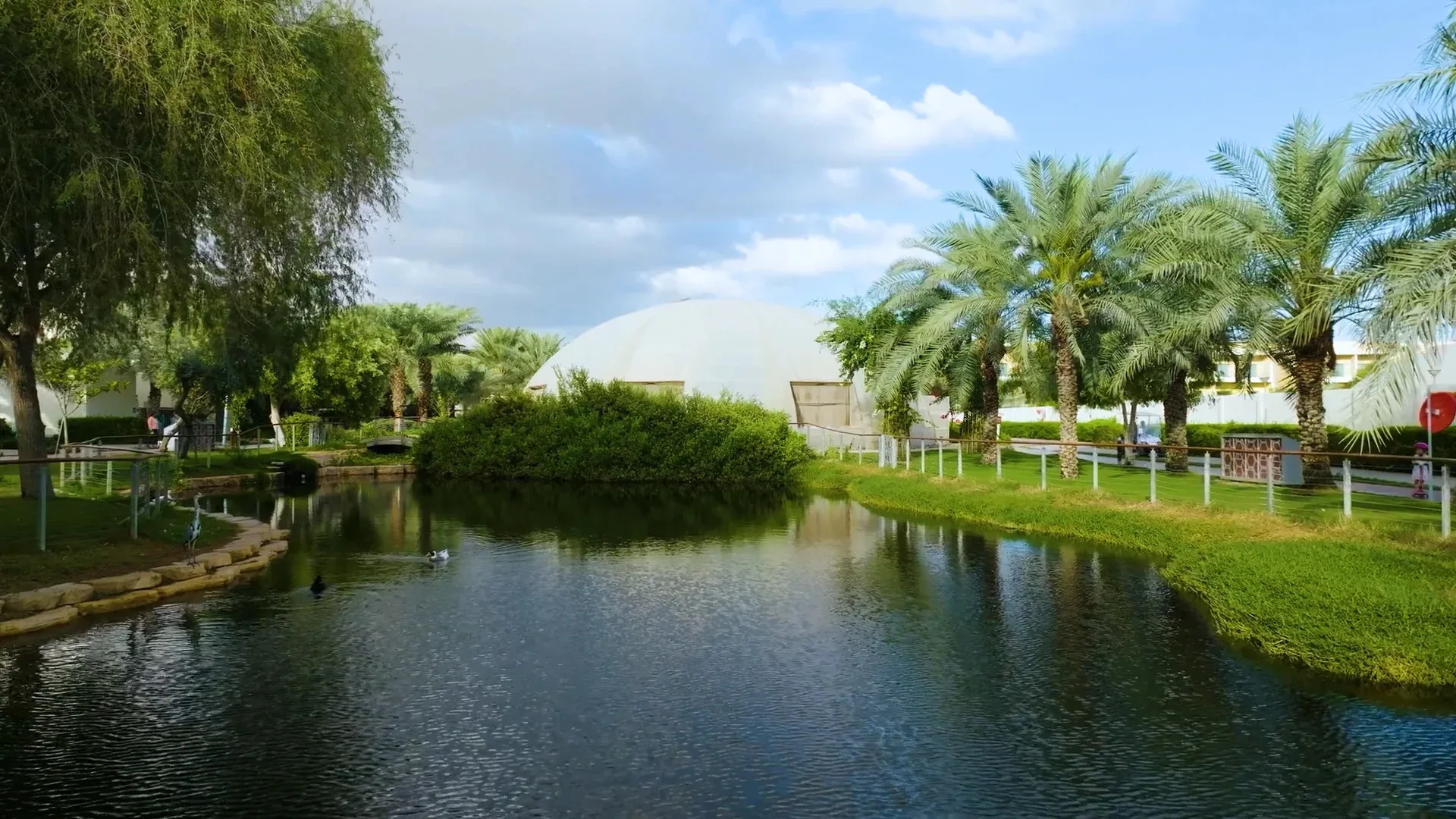
None of these systems exist in isolation. Renewable energy, water recycling, urban farming and walkable streets work together to create a neighbourhood where sustainability isn’t an add-on but part of the rhythm of daily life.
It’s an approach that’s becoming increasingly relevant across the UAE, as the conversation shifts beyond green buildings towards the bigger question of how cities can improve the way people live.
Communities thrive when everyone belongs
For Faris Saeed, building sustainable communities has always included creating places where everyone feels they belong. If there’s one place that captures what makes The Sustainable City different, it’s Sanad Village.
Located at the heart of the community, the specialised autism centre isn’t tucked away or treated as a separate initiative. It’s woven into the fabric of everyday life, reflecting a belief that inclusion should be designed into cities from the outset, not added later.
Through simulated airports, supermarkets and public spaces, Sanad Village helps autistic children develop practical life skills while supporting their families. It’s a reminder that sustainability isn’t only measured in emissions or energy savings, but in whether a city creates opportunities for everyone who calls it home.
That became especially clear during Will Smith’s visit to The Sustainable City. Spending time with the students and educators at Sanad Village, the conversation moved beyond infrastructure and technology to something more fundamental: the role a community can play in creating confidence, connection and a genuine sense of belonging.
Growing an oasis in the desert
The Sustainable City’s landscape tells its own story.
What was once open desert is now home to urban farms, biodomes and tree-lined walkways, where food is grown just steps from the people who eat it. Solar panels, smart irrigation, water recycling and productive landscaping don’t compete for attention; they work quietly in the background, making sustainability feel less like a future ambition and more like everyday life.
Walking through the community, the infrastructure almost disappears. Golf carts replace traffic, green spaces break up the streetscape, and renewable energy powers much of what residents rely on. It’s a reminder that most successful sustainable cities aren’t defined by individual technologies but by how seamlessly they fit into the rhythm of daily life.
From Experiment to Blueprint
Nearly a decade after welcoming its first residents, The Sustainable City has outgrown its role as a local experiment. What began as a single community in Dubai has become a reference point for architects, urban planners, policymakers and researchers exploring what the next generation of cities might look like.
That interest extends beyond the worlds of design and development. Figures like Will Smith and Maye Musk have helped bring the conversation to wider audiences, but their visits aren’t the story. They point to something bigger: a growing interest in communities that rethink not only how cities are built, but how people live within them.
Today, the model is expanding beyond its original site, with projects across Sharjah, Yas Island in Abu Dhabi and Yiti in Oman, each adapting the same principles to different places and communities. The details may change, but the central idea remains consistent: the future of cities won’t be defined by technology alone, but by whether they create places where people can live better, together.