

In his instagram bio, Ben Jenkins asks: ‘I live in New York, for now… Do you have an amazing opportunity for me elsewhere?’ The sentiment is simple enough, more than sensical. It is almost righteous, posing no inherent problems. We relocate, mostly, seeking opportunity, adventure, or just simply a living; that is the driving force of most migrations, if not all, and the mere base of its conditions.
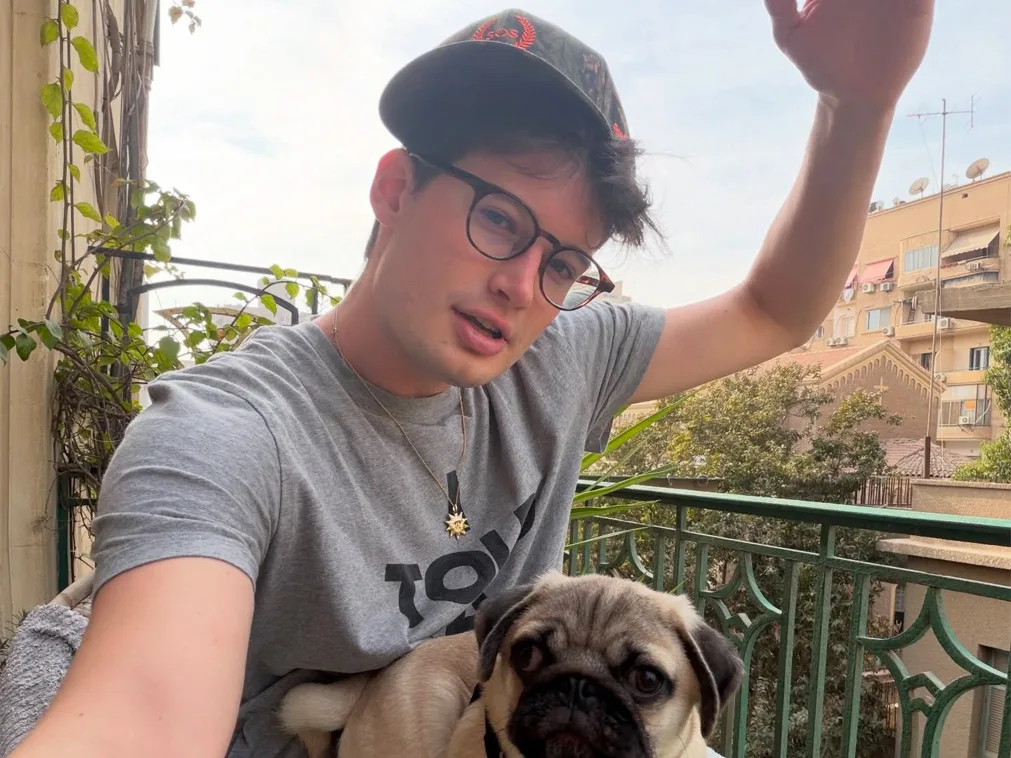
Not long ago, comedian Ben Jenkins found himself residing in Cairo in what he continually refers to as a pure incident. What was meant to be a two-week trip stretched into a full-blown career. Upon his arrival, Jenkins realized his pug, Croissant, was unable to travel back to the United States just yet, forcing him to extend his stay, and eventually record it.
Almost immediately, Jenkins became an online sensation, landing bylines, interviews, and viral TikToks, and he’s hardly the only one. Many expats, today, had found an audience, and often a lucrative one, in arriving to the Arab world to narrate someone else’s home.
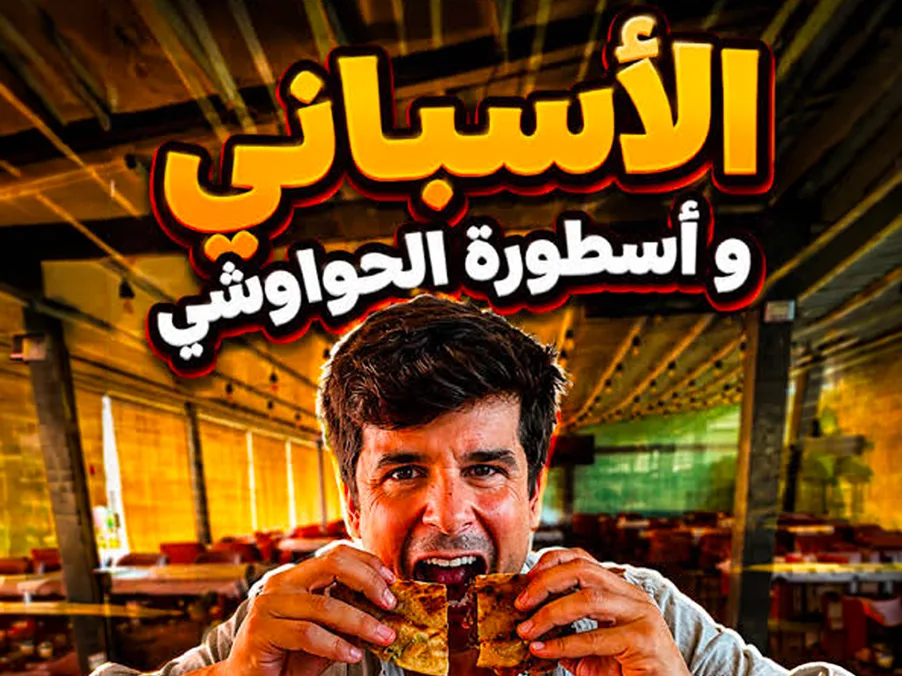
Miguel Medialdea Alvarez, known on Instagram as ‘Miguel Al Aspany’, has found similar success. On his LinkedIn, he’s a Director of Sales and Business Development, on Instagram he is the Spaniard attempting to integrate into Egyptian society, and its working. Miguel speaks in an Egyptian dialect, runs around in Saidi galabeyas, and has what I suppose is a team, editing Egyptian film classics, other times deep cuts, into his short-form videos.
An appreciation of a society, especially one you’re most welcome, is beloved, indeed, but the question of appropriation is naturally quick to arise, especially when placed within its correct context. Does Miguel, for example, grasp those film references placed in the midst of his own videos? Or are they just merely pretending, a shorthand for authenticity that masks a lack of knowledge?
One can argue that Miguel is providing jobs working with an Egyptian post-production team or person, but this begs a second, equally important question: are the locals and native residents incapable, then, of producing their own content? The answer can, at times, border onto a strict ‘no’.
Read More
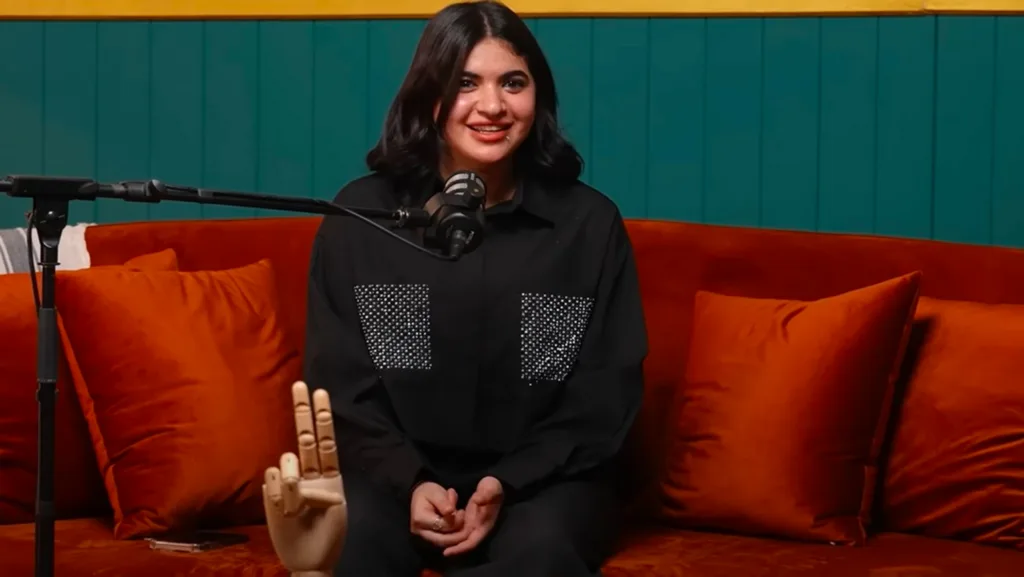
Just last year, the Egyptian government conducted a ‘crackdown’ on young social media influencers, including, for example, Big Yasmeen or Suzy El Ordonia, the latter of whom was arrested not once, but twice. Although currently released from custody, she remains a controversial subject, often disregarded by the media, whether in covering her social media activity or her legal happenings.
The contradiction is striking: the same culture that gets creators like Suzy El Ordonia mocked is celebrated when it comes from influencers with greater social privilege. As it goes generally, linguistic capabilities, passport power, and the exposure to a wider world are all reasons why expats are being offered grace otherwise denied the locals, but it is not just those factors on these influencers’ sides.
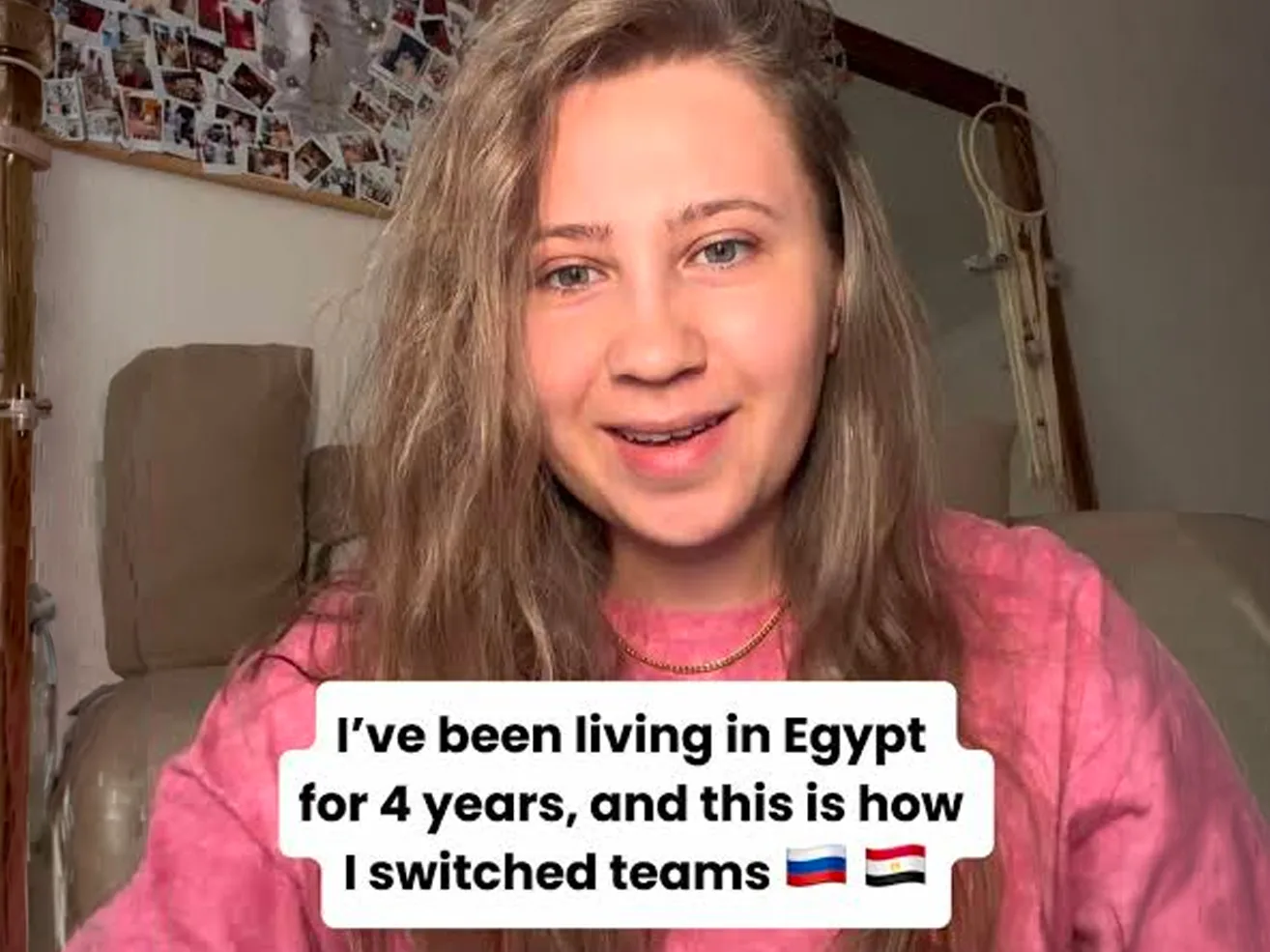
While platforms like TikTok offer monetisation to creators in Egypt, accessing those earnings remains difficult. The platform’s payout systems are largely built around bank accounts in the US, UK, and Europe, leaving many Egyptian creators unable to profit from the audiences they build. Meanwhile, foreign creators based in Egypt, such as Miguel El Aspany, Ben Jenkins, @Bint_Shaqra_, and @alexploringlife, are often better positioned to access those same monetisation systems.
In a world where inflation is taking over and rent rates are unfathomable, the move by expats to Cairo, for instance, is an almost perfect-case scenario. That disparity is visible in many expat videos, where small cash handouts, made possible by favourable exchange rates and lower living expenses, become a recurring feature. What’s considered spare money by some is for others, actual livable money.
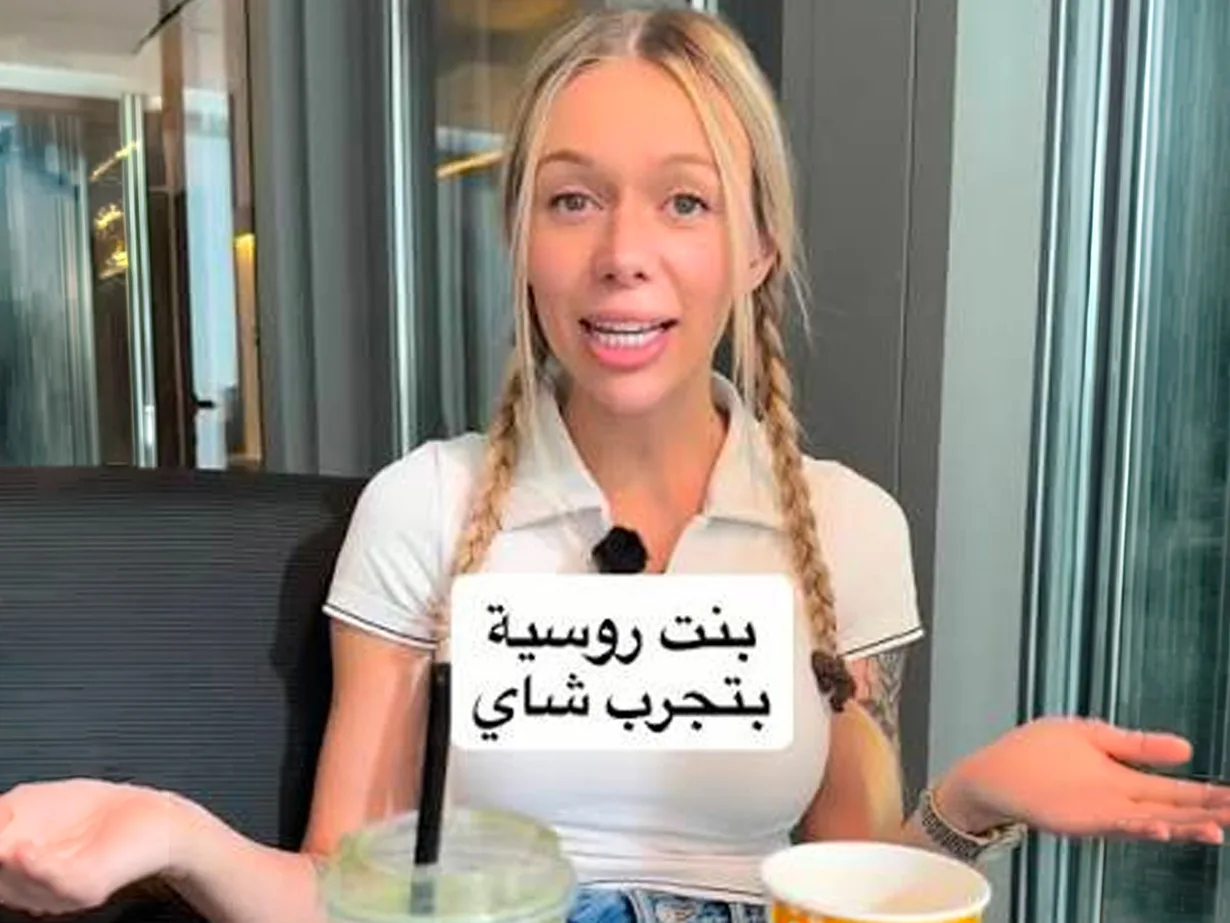
The framing of these expat influencers always foregrounds their outsider status: ‘a blonde in Amman’, ‘a Russian in Egypt’, or names like ‘Miguel the Spaniard’. Their content performs integration while preserving the novelty of being foreign. They get to claim belonging without giving up distance. It is a play of both cards.
Expat influencers become a category of their own, their positioning differs from the usual travel vloggers, who are wandering and relocating frequently. The deal with expat influencers, as content creators who fixate on a singular country, at least for a while, becomes the route to the commodification, accidental or not, of a country, its people and culture, rather than commodifying their own selves as world travellers or explorers. They remain safe enough by sticking to one and familiar recipe, even if their relocation in the first place is a commitment (like work, marriage, etc..) that demands a fixed location.
On the surface, these expat influencers appear lighthearted, their work mostly classified as comedy like Miguel, or as a curious and appreciative exploration of a country they wish to become part of you like @alexploringlife, except in their content, they always frame their presence as an anomaly, stressing their dissimilarity first and foremost.
What these influencers or social media creators represent, is a performance of belonging, not an actual one. It is a cultural exchange valuable only when involving a foreign passport. A business off of people whose eventual abandoning wouldn’t mean much, as everything these influencers produce insists: I am an outsider, welcomed by you, generous brown people, but never fully willing, or at least appearing, to assimilate. You welcome me fully and indefinitely despite my differences, and I welcome you briefly, constantly pointing out my deviation from you, remaining always the Spaniard. That middle ground is the capital.
I wonder, why is being an Arab not enough by itself? Why do we prefer watching an outsider, a foreign witness, act out the culture we live by and through naturally, rather than watching our own selves?

Pop Culture Editor-At-Large at Complex MENA.