In most cities, hanging out comes with a price tag. You grab a table, you order, you pay, you leave. Mishwar, which opened in Damascus in May this year, is betting on a different idea of a night out.
In Arabic, a mishwar usually means a trip or outing, the kind a person or a whole family takes to get out of the house and catch a breather. That feeling of escape, of stepping out just to breathe a little, is exactly what the new spot is built around.
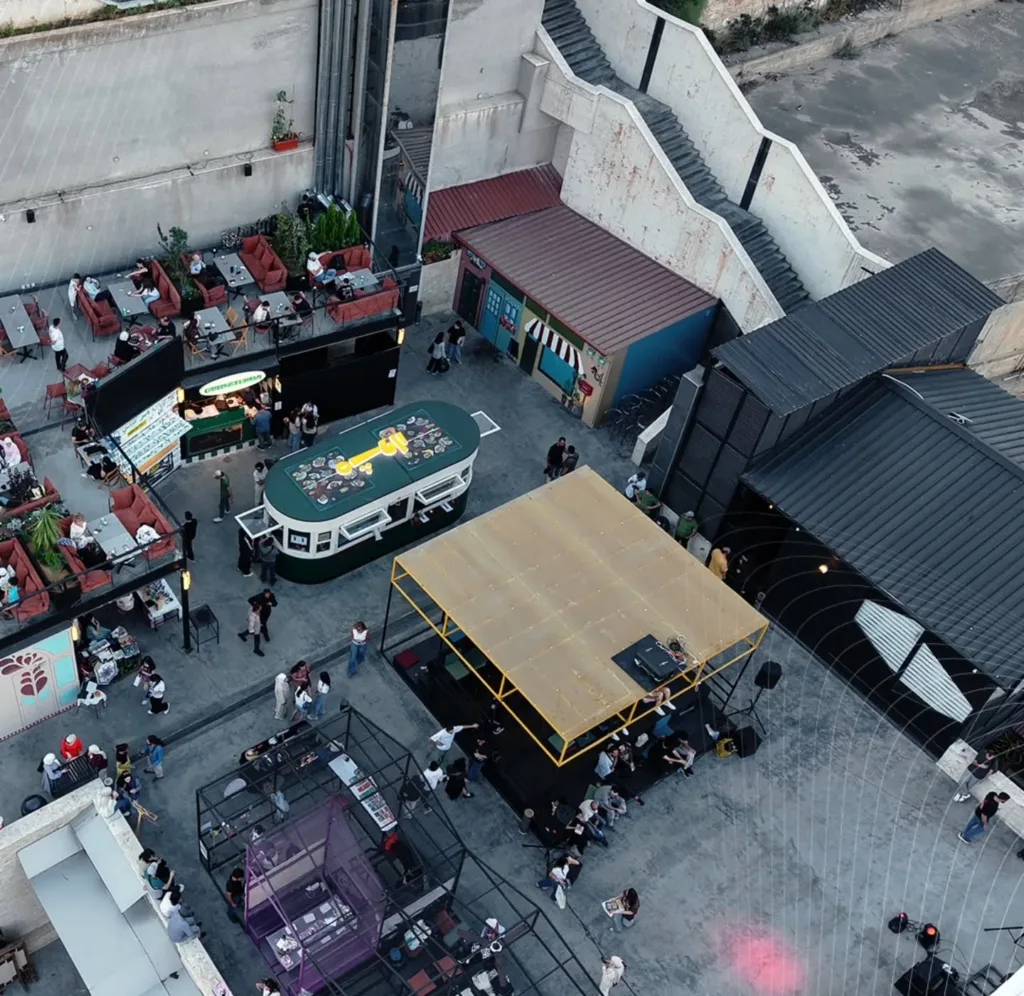
Set on a green, open site in Rabweh, overlooking the Barada valley, Mishwar is part food destination, part entertainment venue and part neighborhood hangout. For co-founders Jalal Kotrach and Khaldoun Atassi, though, the food and the programming come second to something more basic.
‘Mishwar is a social space first, and everything else second,’ says Kotrach.
That’s rarer in Damascus than it sounds. Mishwar wants to be one of the few. ‘You don’t have to sit at a restaurant, order something, or feel like you need to spend money to belong here,’ says Atassi.
Read More
The founders compare it to a public park more than a food hall: somewhere to meet friends, bump into people, wander around and take in the view. Food, drinks and retail are all there for anyone who wants them, but entertainment is the real draw. The place is designed to have an outdoor cinema, hold live music and concerts, even workshops and bazaars, all within the same space.
The balance they’re after is a tricky one: busy enough to keep people coming back, relaxed enough that nobody feels pushed. ‘There should always be something happening, while still being a place where you’re welcome to come and do absolutely nothing,’ Kotrach says.
Unlike most new venues, Mishwar didn’t begin with a business plan. ‘The idea actually came partly from the space itself,’ says Atassi.
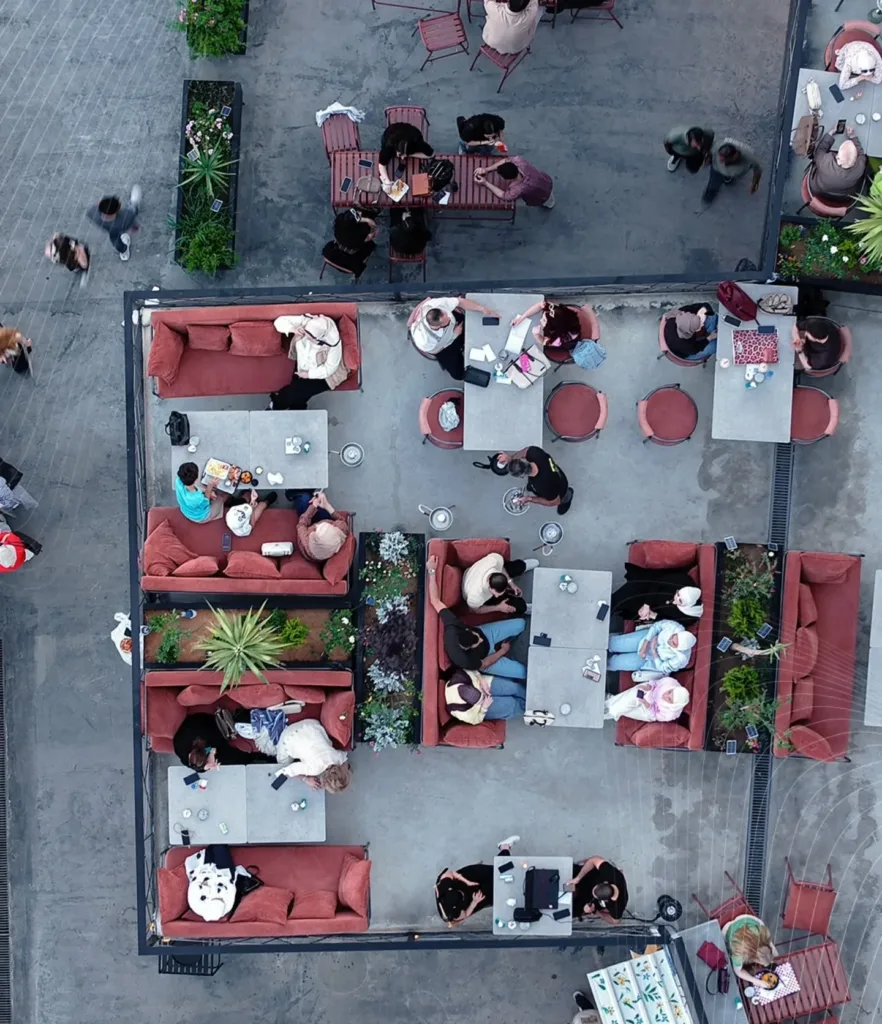
When the pair first saw the Rabweh site, with its openness and sweeping valley views, it struck them as too good to hand over to a single restaurant. It felt like a place people should be free to explore. From there, they pictured a destination where an afternoon could turn into anything: a meal, a film, a gig, or just hours spent with friends.
That open-endedness is also why the name stuck. ‘A mishwar is about going out without necessarily having one specific purpose and seeing where the day or evening takes you,’ says Kotrach.
The founders are already thinking well beyond Rabweh. ‘We want Mishwar to become a brand that people trust,’ he continues.
Don’t expect a carbon copy in every city, though. The plan is for each future Mishwar to take its cue from its own location, neighborhood and community, so the food, shops, activities and overall character could look completely different from one to the next. What ties them together is an attitude rather than a template. ‘What should always remain is the philosophy: grassroots, quality, comfortable and welcoming,’ Atassi says.
The goal, as Atassi puts it, is a name that sets expectations without spoiling the surprise. ‘When people hear that a new Mishwar is opening, they might not know exactly what it will be, but we want them to know what it will feel like.’
So what should you actually eat when you’re there? The founders are reluctant to narrow it down to three dishes. ‘That’s probably the hardest question because every concept has something we think is worth trying,’ says Kotrach.
Instead, they split the line-up into three moods. For creative comfort food, there are burgers from Chubby Kid’s Dream and Al Dagher, plus Italian pizza and pasta from Napoli. For regional Syrian favourites, go for a kharouf sandwich from Abo Awasi, sojok from Halimo and fatteh from Feels. And for something more experimental, Maqsaf puts an East-meets-West approach to drinks, while Kome Maru serves Japanese izakaya food shaped by local and regional flavours.
As for the best way to tackle it all, the advice is pure mishwar: don’t plan too hard. ‘The idea is to try a little bit of everything and discover your own favourites,’ says Atassi.