

Warm Casablanca nights, thousands of festival-goers moving between stages, jazz blending into soul, rock colliding with hip-hop, and Moroccan artists sharing the stage with some of the biggest names in global music. That’s what the 19th edition of Jazzablanca looked like before Jessie J brought the festival to a close with a high-energy final performance, her second time performing in Morocco.
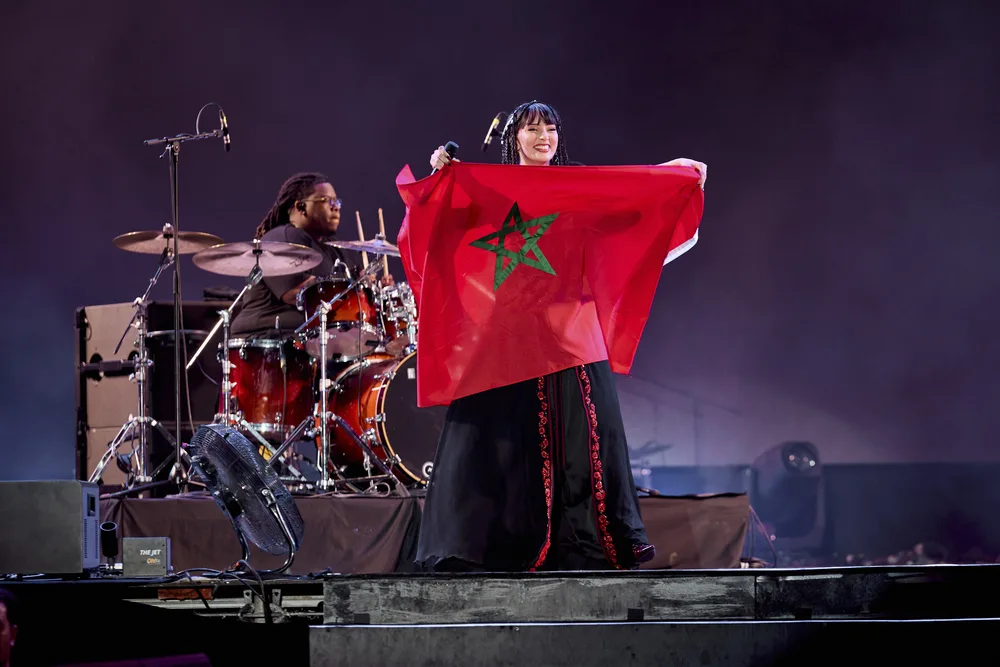
Created by Moulay Ahmed Alami, Jazzablanca has evolved far beyond its original identity as a jazz festival. Now spread across 10 days at Casablanca’s Anfa Park, the festival welcomed more than 70,000 festival-goers through over 50 concerts and artists from more than 20 countries, cementing itself as one of North Africa’s most ambitious live music events.
This year’s edition unfolded across three stages, each with its own identity. The Park League Arabe Stage remained freely accessible to the public, championing Moroccan talent, world music and emerging artists. The lineup featured Asmaa Hamzaoui & Bnat Timbouktou, Urban Folklore, Sarah Mazigh, TCHUBI, Gaouta, Majid Bekkas, Shabaka Hutchings, Hamid Drake, AMG, Kel Dades, Nashwa and Sara Moullablad.
Meanwhile, Scène 21 delivered a more intimate setting dedicated to jazz, soul, experimental sounds and genre-defying performances. Festival-goers experienced performances by Yazz Ahmed, Bab L’Bluz, Selah Sue & The Gallands, Theo Croker, José James & China Moses, Brian Jackson, Keziah Jones, Jowee Omicil, Daoud, Nubiyan Twist, Small X Live with AMG & Saib, Barcelona Gipsy Balkan Orchestra, Shabaka, Thee Sacred Souls, Hiromi, Fantastic Negrito, Bonga, Ami Taf Ra, Madison McFerrin and Hind Ennaira & Omary Present Gnawatronic.
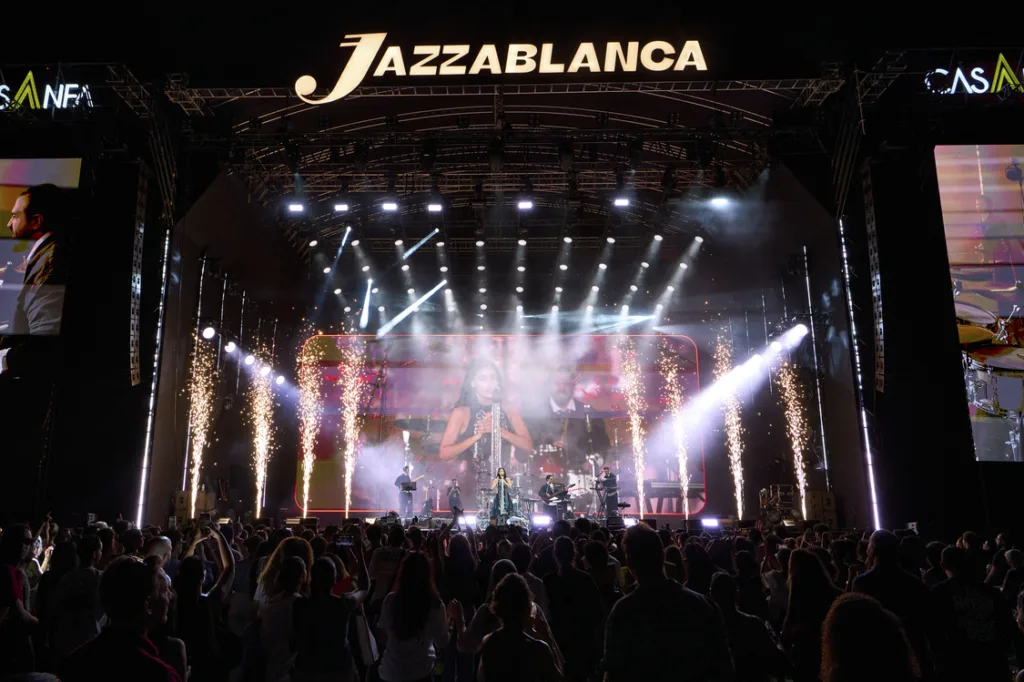
The festival’s biggest productions unfolded on the Casa Anfa Stage, where Robbie Williams, Scorpions, Ms. Lauryn Hill alongside Wyclef Jean, YG Marley and Zion Marley, Jorja Smith, MIKA, Charlotte Cardin, Jessie J, Juanes, Cory Wong, Naïka, Oxlade, RILÈS, Zeyne, DANYL, Gente de Zona, Faouzia, INO Casablanca, Deluxe, Hypnotic Brass Ensemble featuring Mehdi Nassouli and MEUTE took over the park throughout the festival.
Behind the programming lies a committee that carefully weighs every booking. Speaking to Complex MENA, festival founder Moulay Ahmed El Alami explained that every artist is selected through discussions that balance artistic direction, audience expectations and budget. Since expanding into a 10-day format last year, the festival has embraced an even broader audience, allowing each part of the week to cultivate its own atmosphere while staying true to Jazzablanca’s DNA.
Read More
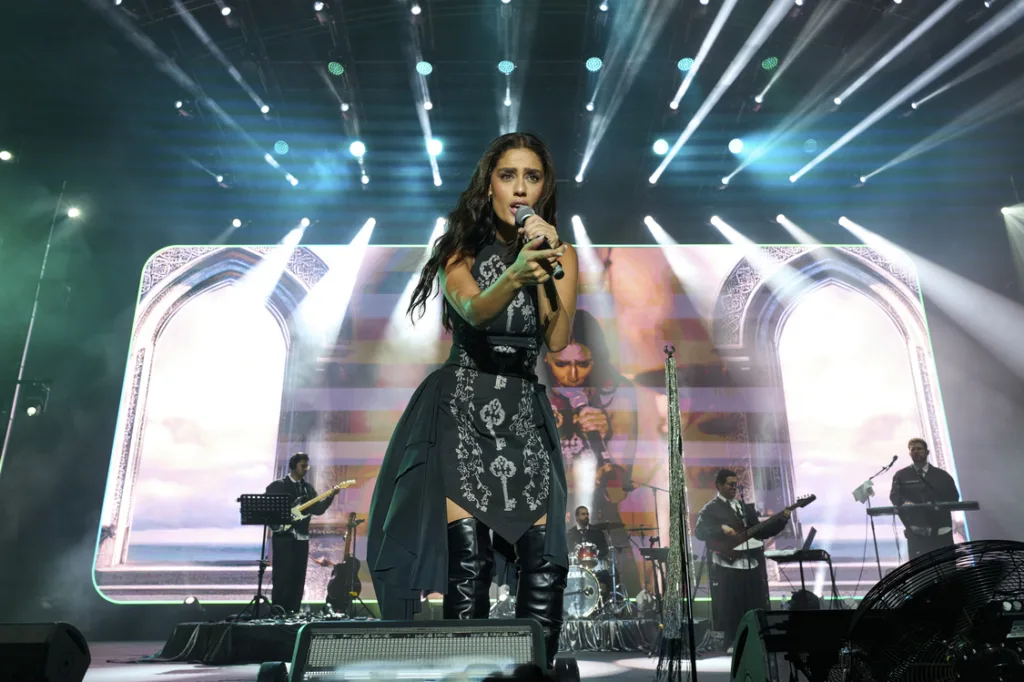
Among this year’s standout performances was Palestinian-Jordanian artist Zeyne, whose opening performance quickly transformed into one of the festival’s most talked-about sets. Filled with Palestinian chants and Moroccan zaghroutas, the concert blurred the lines between artist and audience.
“There was so much good energy from the crowd, ultimately that gave me the energy and I just felt like it was getting higher and higher and higher.” Zeyne says.
For an artist whose latest album AWDA draws inspiration from North African sounds—including Moroccan influences—performing in Casablanca carried a deeper significance.
As Jazzablanca continues to blur the boundaries between jazz, soul and contemporary music, Zeyne believes Moroccan audiences bring something unique to every performance.
“They had a different musical intellect when it comes to appreciating different genres of music.” The singer described the experience as one that simply clicked, “It felt really aligned because I have played this in many cities, but it never felt like this.”
Flying keffiyehs, elegant dresses and a crowd that sang back every lyric made Zeyne’s opening set feel less like an introduction and more like a headline moment.
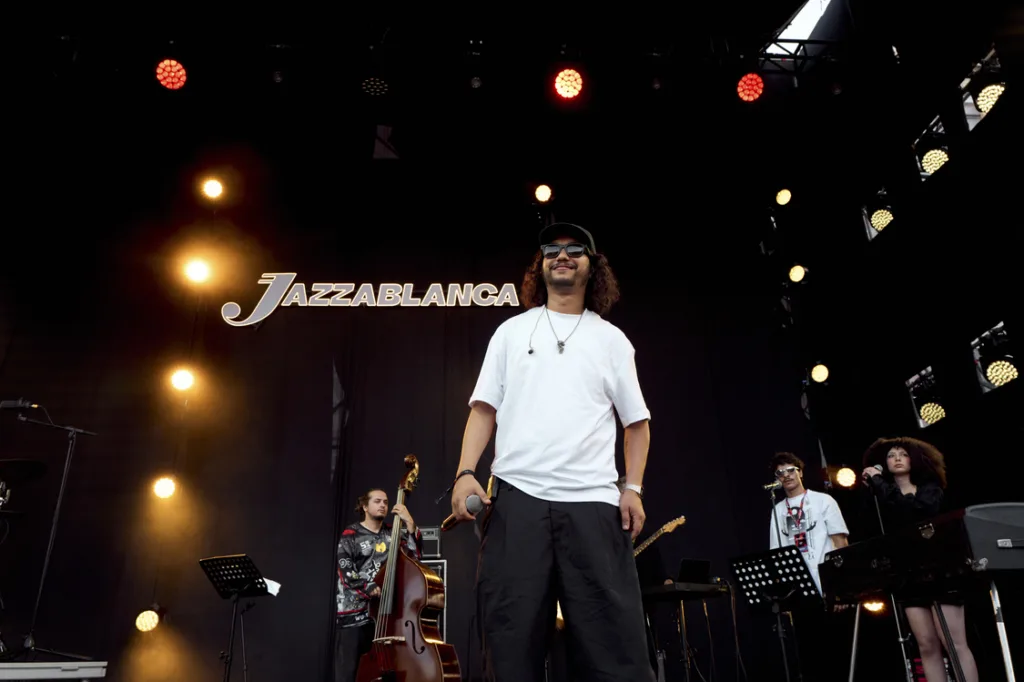
Scène 21 also welcomed one of Morocco’s most influential rappers. Former Shayfeen member Small X delivered a performance that felt worlds away from a conventional rap show. Performing tracks from his latest album NAFIDA—already being described by many fans as a jazz masterpiece—the concert attracted a crowd packed with familiar faces, including Khtek, Ghita Nettah, who joined him on stage, and SHOBE, whose appearance reignited speculation surrounding a Shayfeen reunion.
“Alhamdoulilah, the concert went amazingly. As a first experience here, we lived it with the crowd. I always go against the current as an artist and never chase what’s popping, so making music that lasts helped me reach this moment in which I did something hoping it will stick.” Small X states.
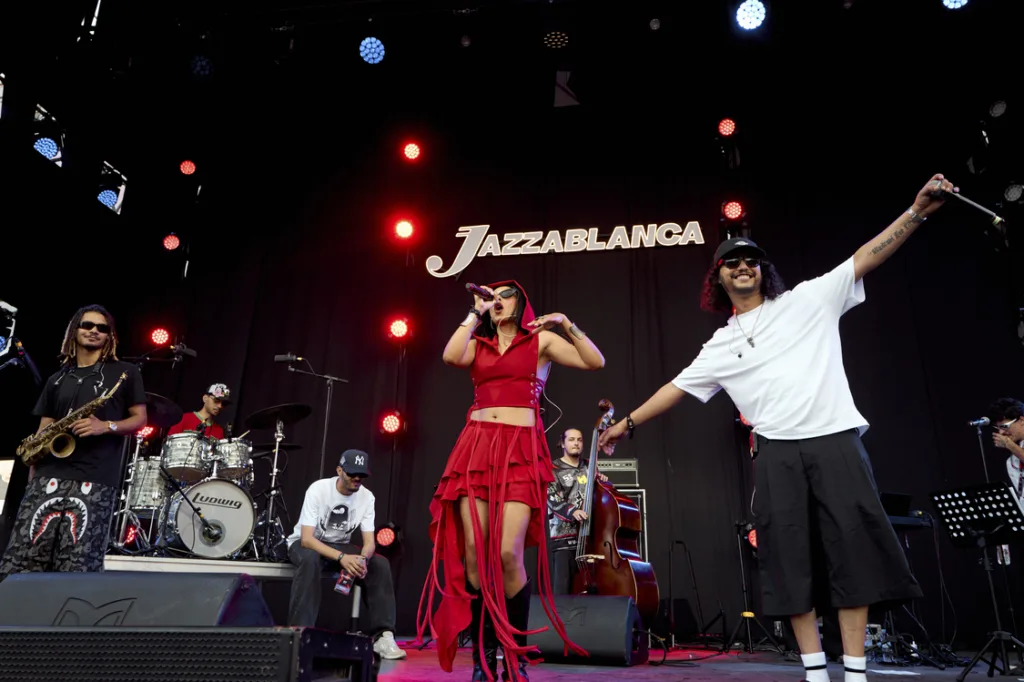
For Jazzablanca, adapting his catalogue meant rethinking the live arrangements. Small X explained that his team carefully selected the chords and musical direction to resonate with the festival’s jazz-oriented audience without altering the project’s identity.
Although Jazzablanca celebrates Moroccan music alongside international talent, only a handful of local artists make it onto the festival’s main stages each year. For Small X, the invitation represented a milestone in what he describes as a new era of his career.
Jazza, he says, is “a great door that should open up some more and become accessible to people who can’t necessarily afford the tickets.” He continues, “Some of the greatest musicians come here, which makes us proud as Moroccans. This is why we need everyone to have access to such events.”
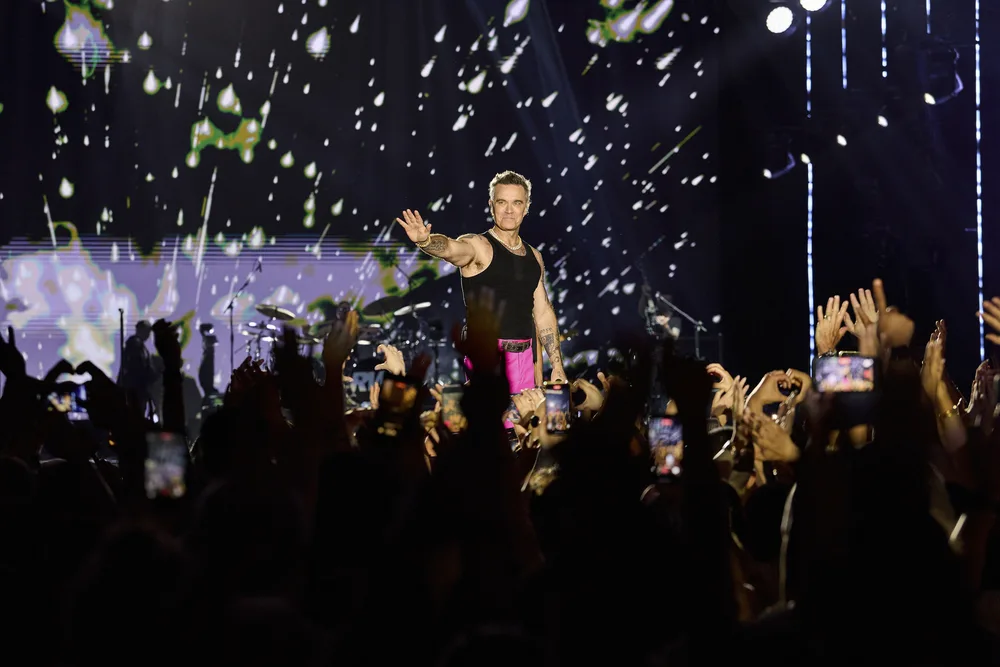
Throughout the festival, Jazzablanca balanced global headliners with regional discovery. Robbie Williams opened the festivities with a stadium-sized production, while Scorpions delivered one of the biggest rock concerts Morocco has seen in recent history. Ms. Lauryn Hill returned to Morocco alongside Wyclef Jean, YG Marley and Zion Marley, while Charlotte Cardin, Cory Wong, MIKA and Juanes each brought their own signature sound to Casablanca.
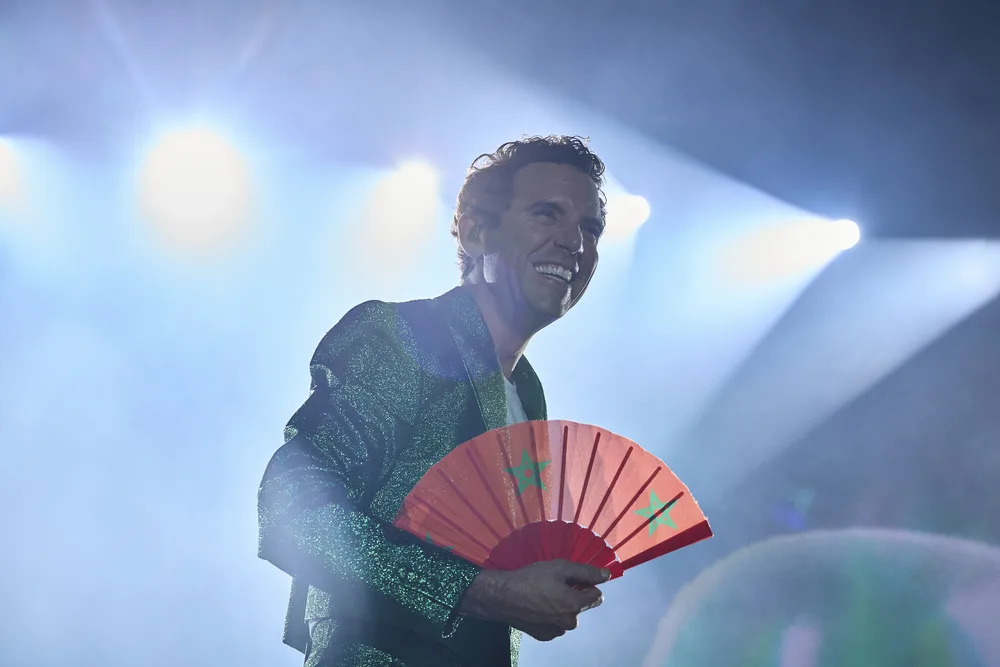
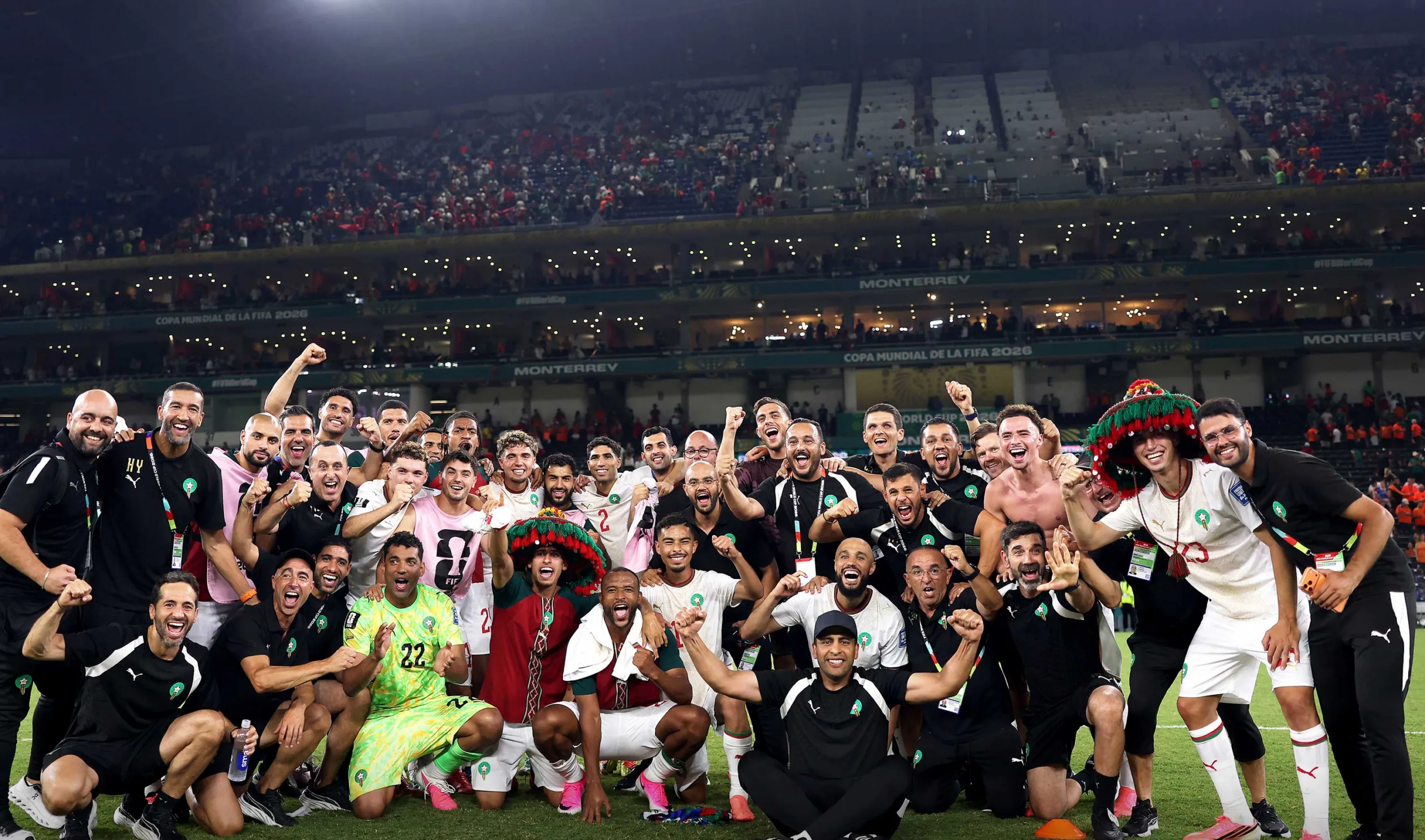
If one moment encapsulated Jazzablanca 2026, it was Mika’s performance just minutes after Morocco’s World Cup defeat to France.
Returning to the festival for the second time, the Lebanese-American-British pop icon lifted the crowd’s spirits to their highest point of the weekend. Armed with a carefully curated setlist and heartfelt anecdotes about the stories behind his biggest hits, Mika gently guided festivalgoers away from the disappointment of the match and into the euphoric, feel-good atmosphere that has long defined Jazzablanca.
Nineteen editions in, Jazzablanca is no longer simply Morocco’s biggest jazz festival; it has become one of the region’s most eclectic music gatherings, where international icons, homegrown talent and unexpected collaborations share the same stage with ease. It’s that balance, as much as the artists themselves, that keeps audiences coming back year after year.
Most Popular
Read More
-
Via EgyGrillz -
Via Équipe du Maroc on X.
