
The early 2000s promised us a digital future, and anime showed us what to wear there. Twenty years later, the Y2K aesthetic has returned, but with a twist. This isn’t just nostalgia; it’s a full-scale revival powered by the anime that defined the era. Shows that aired on Adult Swim, flooded torrent sites, and captivated Middle Eastern audiences through Spacetoon and MBC, 3 now guide what Gen Z wears globally.
Writer and theorist Mark Fisher calls this phenomenon “hauntology” — we are haunted by our past, but because the internet is timeless, once-niche signifiers resurface endlessly. Think of the Tumblr-era photos that never die, or how aesthetic touchstones from the 2000s remain top-of-mind for a generation that barely remembers the era firsthand.
From Dubai to Beirut, baggy silhouettes, bold accessories, and graphic aesthetics transcended borders. Today’s revival carries the unmistakable influence of 2000s anime, which captured both post-millennium optimism and chaos alike.
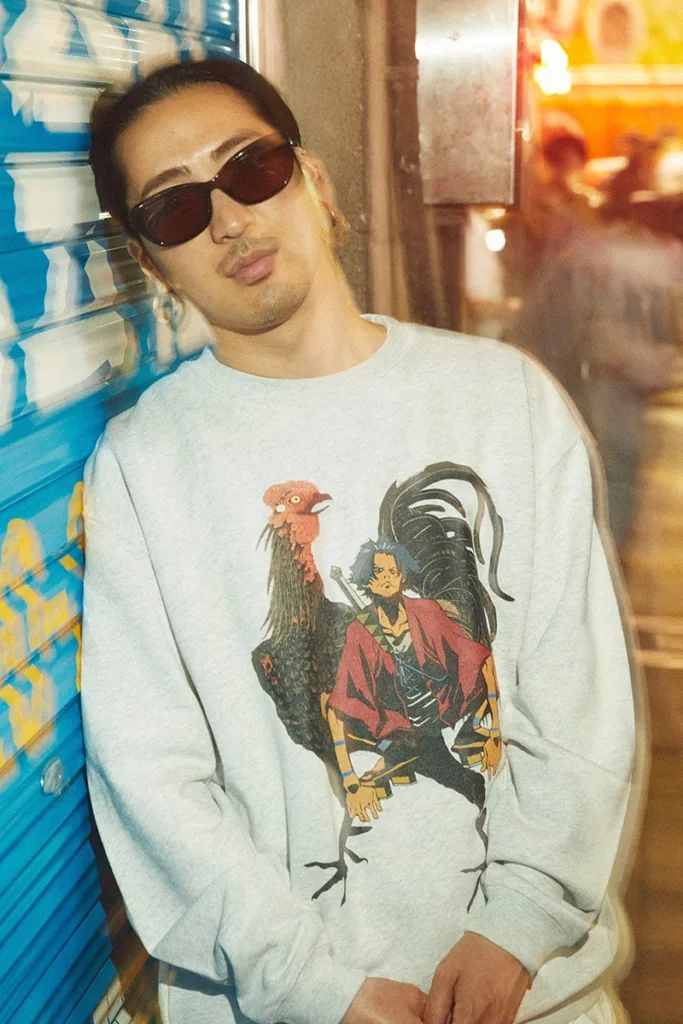
Samurai Champloo (2004) treated Edo-period Japan like early 2000s Brooklyn.
Jin’s baggy pants and Mugen’s modernized traditional garments made historical clothing feel like streetwear.
Today, wide-leg pants have replaced skinny jeans entirely, with brands like Corteiz embracing voluminous silhouettes.
The trend of mixing traditional Asian elements with streetwear — Kung Fu slippers as street shoes, rope belts, flowing silhouettes — channels Champloo’s fusion philosophy.
Though Akira (1988) predates the 2000s, its influence on Y2K streetwear cannot be overstated. Kaneda’s iconic red leather jacket became the holy grail of anime fashion, spawning Supreme’s landmark 2017 collection and inspiring the techwear movement.
Another great example of its prevalent influence is Kanye West’s Yeezy Gap red puffer jacket, which channeled Kaneda’s silhouette with its bold red colorway and oversized proportions.
NANA (2006) also gave us two style icons. Nana Osaki’s look — leather jackets, band tees, chokers, heavy boots, and spiky short hair — became the blueprint for punk-influenced Y2K fashion. Today’s revival sees oversized leather jackets, fishnet layering, chokers, and platform boots everywhere. Brands like Dolls Kill cater directly to this aesthetic: leather with lace, studs with pink, combat boots with mini skirts. High fashion houses like Saint Laurent have incorporated NANA’s rebellious femininity into runway collections.
Read More
Bleach (2004) made chains and layering an art form. Ichigo’s distressed streetwear — baggy jeans, layered tees, and abundant accessories — defined an era. Chain necklaces and wallet chains are essential again, styled with baggy silhouettes. Oversized graphic tees under zip-up hoodies mirror Ichigo’s rotation. The black-and-white monochrome colorway dominates everything from Lil Uzi Vert’s style to Yeezy Gap’s “dark streetwear.”
Sometimes the most powerful aesthetic is the absence of one. Paranoia Agent (2004) captured Tokyo street life perfectly — oversized tees, worn sneakers, functional backpacks. Today’s “normcore” movement and vintage athletic wear reflect this influence. The distressed New Balance and ASICS sneakers trend, where worn-in looks are intentional, channels Paranoia Agent’s everyday dystopia. Brands like JJJJound embrace this “elevated ordinary” aesthetic.
Fullmetal Alchemist (2003) merged steampunk alchemy with military aesthetics. Edward Elric’s iconic red coat, combined with black tanks and baggy pants, created a functional yet fantastical look. Today’s obsession with longline coats can be traced directly to Elric, with brands like Rick Owens making floor-length coats mainstream. The black tank and baggy pant combination has become a Gen Z uniform, accessorized with chunky belts and chains.
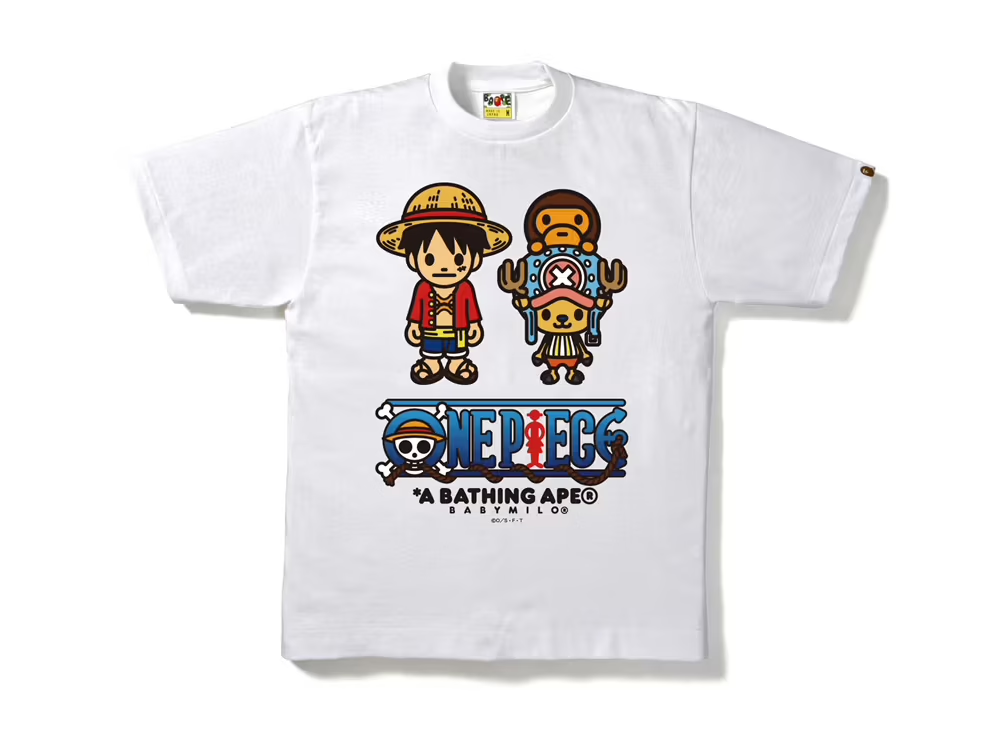
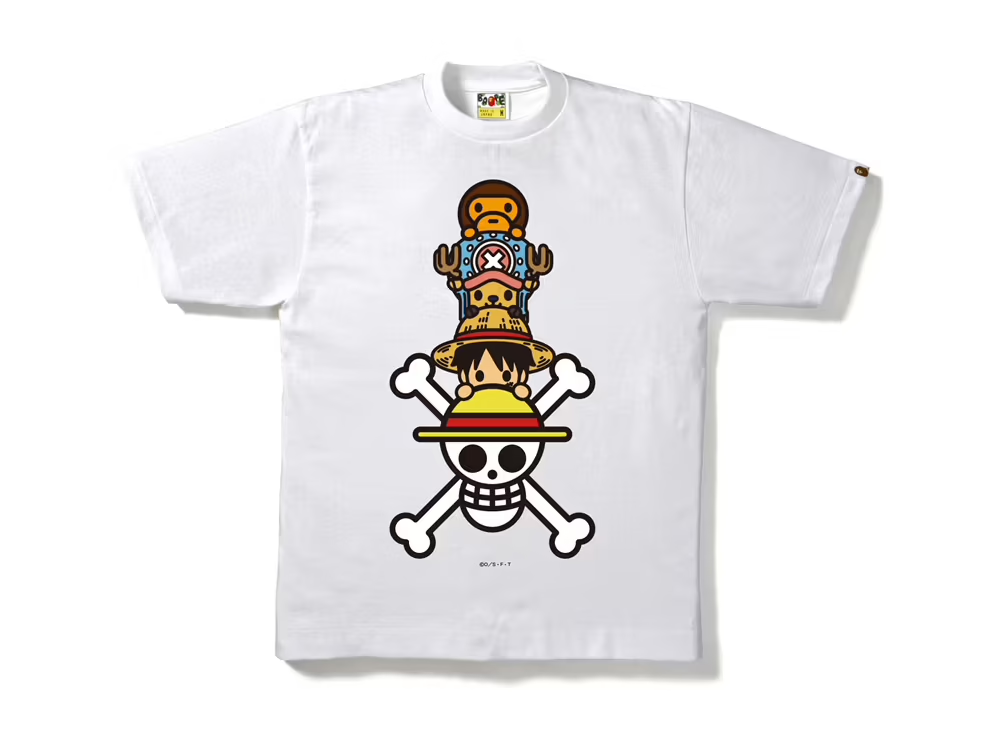
One Piece (1999) brought pirate swagger to anime fashion. The bucket hat and straw hat revival, open button-ups worn over graphic tees, and cargo shorts revival as legitimate fashion all trace to One Piece’s casual coastal aesthetic. The trend of mixing formal and casual elements — blazers with shorts, dress shoes with cargos — reflects the crew’s eclectic styling.
Naruto (2002) might be the most influential anime on contemporary streetwear. The Hidden Leaf headband established a trend that evolved into today’s headwear obsession. The show’s influence on accessorizing extends beyond headbands — wrapped bandanas styled as neck accessories, athletic arm sleeves, and decorative straps all echo the practical yet decorative aesthetic that made Naruto’s ninja gear feel street-ready. The show also normalized zip-up hoodies over graphic tees, baggy cargo pants with straps, and orange in men’s streetwear.
Michiko & Hatchin (2008) became a 2020s mood board staple by blending early-2000s R&B aesthetics with “Animecore.” Michiko’s Aaliyah-inspired wardrobe — low-rise flares, animal prints, and hoop earrings — perfectly aligned with the “Baddie” and “McBling” revivals. By celebrating Afro-Latina beauty and gritty streetwear, the series provided a blueprint for the “Tropical Y2K” trend.
Closing out the decade’s influence, Soul Eater (2008) brought gothic punk to mainstream anime. Maka’s plaid skirt, Soul’s oversized suit jacket, and Death the Kid’s crisp suits mixed prep school with punk rock. Today’s Y2K revival embraces this goth-lite aesthetic enthusiastically. Plaid mini skirts, knee-high boots, oversized blazers worn casually, and mixing black leather with colorful hair clips all reflect the show’s influence. The acceptance of chokers, cross necklaces, and studded accessories in mainstream fashion owes something to Soul Eater’s fun-not-scary aesthetic.

An Editor at Complex MENA.