Indie. Subversive. Luxury. Underground. However you want to describe streetwear, it is without a doubt one of the most fascinating genres to ever rise up in the ranks of fashion. To try and nail down the origin of it is one of mythical proportions, and its even more difficult to acknowledge all of the brands who have come and gone. However, you can see who has carved their initials into streetwear’s everlasting tree throughout its almost four-decade history and who is shaping the next generation of the burgeoning billion-dollar industry.
Streetwear has become a fast-growing ecosystem that is seeing the OG disruptors become globally-renowned institutions of fashion while the up-and-comers establish new ground in a space with no boundaries. One of the founding principles of streetwear, authenticity, is still the universal love language. As streetwear continues to expand to new heights, it’s important to celebrate those paving the way. While this is far from all of the brands that have made an impact on our favourite subgenre of fashion, here are 30 Brands You Should Know If You Love Streetwear.
The OGs
Stüssy
Read More
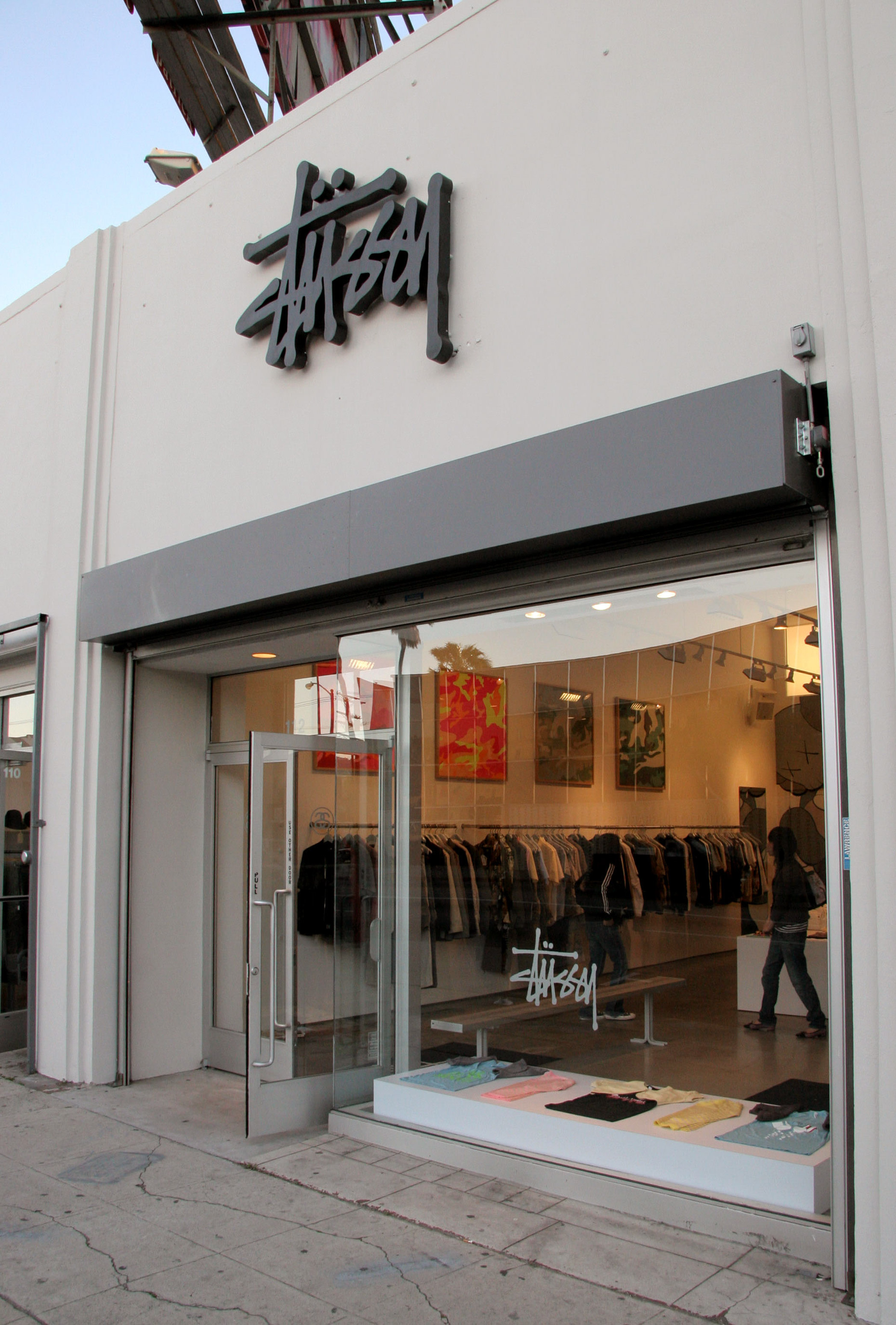
Year founded: 1984
Founder(s): Shawn Stussy
When Shawn Stussy started selling surfboards at tradeshows back in the early ‘80s, he didn’t know that the Hanes T-shirts with his named screenprinted on them would essentially birth a whole new genre of fashion AND become its backbone for over 40 years. Forgoing the route of trend-chasing/forecasting, the LA-based staple consistently drops timeless pieces. Collaborations with sportswear and luxury juggernauts like Nike, Comme des Garçons, and Junya Watanabe have showcased its adaptability and versatility while still keeping things understated. The New York City Chapter store hasn’t seen a slow day since it reopened in February 2025, so it’s clear the legendary brand has made, and is still leaving, its mark.
Fuct
Year founded: 1990
Founder(s): Erik Brunetti and Natas Kaupas
A rebel without a cause, Erik Brunetti has never been one to mince words himself, nor through his subversively-named brand. Since 1990, Fuct has been fighting an invisible fight against, well, everyone with its shock-and-awe contrarian view on, well, everything. Anti-authority. Anti-government. Anti-establishment. Very few collaborations. No retail stores. Yet, the brand is pioneer of underground distribution, especially within the skateboarding scene, thanks to co-founder and pro skater Natas Kaupas. It’s the OG king of logo flips, including the famous Ford remix. Fuct is ground zero for a lot of the success you see across the streetwear scene over the last few decades.
Supreme
Year founded: 1994
Founder(s): James Jebbia
It doesn’t matter what corporation is pulling the money strings these days, what James Jebbia and crew created in 1994 is indestructible. Its flashbang approach to drops still disrupts the streetwear scene, leaving fiends grasping for photos tees and box logos in its wake. The best part is; it is pretty much infallible, meaning it collaborates with whomever it pleases, whether its Girbaud or Margiela, opens new stores where ever the wind may take it, and drops whatever accessory it wants. While the energy has shifted and things take a few extra seconds to sell out nowadays, this streetwear giant will never die.
A Bathing Ape (BAPE)
Year founded: 1993
Founder(s): NIGO
The titans of streetwear each have elements so distinct that you immediately know what you’re looking at. BAPE has multiple. It starts with the logo, a homage to founder Nigo’s favourite film, Planet of the Apes. Then, there’s Baby Milo, whom you can find standing next to anyone worth a damn on hundreds of T-shirts over the years. Of course, you can’t forget the OG camo, a revelation when it comes to infusing otherworldly fashion patterns into streetwear. So much so, hip-hop couldn’t get its hands on it quick enough, word to Biggie, Skateboard P and Ye. But Bape has provided so much more to the streetwear world since NIGO started slinging 50 tees a week out of his NOWHERE store in Harajuku circa 1993. It introduced us to some of the coldest sneaker ‘bootlegs’ ever. It has collaborated with almost every major streetwear-adjacent brand you can think of, from Levi’s to Adidas to Just Don. But there’s nothing like that Ape Head or the OG camo to restore the feeling.
Union LA
Year founded: 1989
Founder(s): Eddie Cruz, Mary Ann Fusco, and James Jebbia
Union LA has a deep history. For starters, it was co-founded by James Jebbia in 1989, before he started Supreme, alongside streetwear deities Mary Ann Fusco and Eddie Cruz. Union’s first shop was a part of New York’s, not LA’s, three-headed streetwear beast in Soho alongside Stüssy and Supreme in the ‘90’s. It laid the foundation for the hip-hop, skate, and workwear melting pot the streetwear subculture cannot live without today. So, when the NY chapter closed in 2009 and Chris Gibbs was given the keys to Union LA, he had some big shoes to fill. He’s had no trouble doing so considering he’s helped conceptualize some of the best Nike and Jordan sneaker collaborations this century. Gibbs and Union LA has also doubled-down on the mixture of streetwear with Japanese craftsmanship and European luxury, building the in-house brand into one of the most versatile shop brands around.
Fragment Design
Year founded: 2000
Founder(s): Hiroshi Fujiwara
When your founder has a nickname like ‘The Godfather of Streetwear’, you become immortal. Thanks to pivotal projects like NOWHERE and GOODENOUGH, Hiroshi Fujiwara’s resume was already solidified by the time he started Fragment Design in 2003. Fragment just kept moving the convo forward. Known for its minimal approach to design and focus on collabs, the brand has been at the epicenter of hype since its inception. Grail-level Nikes. Fragment’s done them by the dozens. Pop culture power moves with Pokémon. Fujiwara’s got those too. Those tiny black and white lightning bolts have become one of the most recognizable symbols in streetwear for a reason.
The Karmaloop Era
LRG
Year founded: 1999
Founder(s): Jonas Bevacqua and Robert Wright
The generational run LRG had from 2000-2010 would be a Netflix documentary everyone should watch. No one made “underground” feel so accessible quite like LRG. Jonas Bevacqua and Robert Wright infused real hip-hop with social commentary-rich fashion, bringing activism to the forefront of the burgeoning streetwear scene. And LRG was one of the first to show that streetwear brands could be multi-dimensional, building this sense of community through music and political statements with substance, not just a graphic on a T-shirt. Of course, it was one of the first real streetwear brands to go mainstream and have commercialized success without ‘selling out’. But don’t sleep on its ability to create viral moments, because the Dead Serious Hoodie is still one of the most influential streetwear pieces of today.
Diamond Supply Co.
Year founded: 1998
Founder(s): Nick Tershay
When the streetwear boom was boomin’ in the late 2000s and early 2010s, Diamond Supply Co. was a catalyst who capitalized on the popularity of the skate subculture and the era of logo-ification. Nick Tershay (AKA Nicky Diamonds) knew that a girl’s best friend could also become a streetwear lover’s BFF, too. So when he launched Diamond Supply Co. in 1998, all he needed was a name, a simple logo, and a Tiffany blue hue that provided an anchor of staples that had the scene on lock for a decade. Then, the Diamond Supply Co. x Nike SB Dunk arrived. Was there anything smoother when the T-shirt and hoodie combo hit? Diamond’s legacy thrives off that era alone and will continue to for decades.
The Hundreds
Year founded: 2003
Founder(s): Bobby Kim and Ben Shenassafar
You simply cannot even utter the term ‘streetwear’ without The Hundreds Adam Bomb at least popping into your subconscious. There’s a reason why Bobby Kim (AKA Bobby Hundreds) and Ben Shenassafar (AKA Ben Hundreds) are streetwear royalty; because of the role they played during the Golden Era of streetwear. It was not just what they made, but why they made it. The Hundreds has always been about telling a story to those who are akin to the message through graphic-heavy tops that focused on its community, events, collaborations across subcultures, and treating customers like participants rather than buyers. That blueprint is now everywhere, from Corteiz’s real-world activations to Kids of Immigrants’ identity-driven storytelling. But you can thank The Hundreds for laying the foundation.
10.Deep
Year founded: 1995
Founder(s): Scott Sasso
As streetwear grew in popularity during the 2000s, we witnessed a considerable amount of flash-in-the-pans, one-hit-wonders, and one-trick-ponies that just couldn’t keep up with the fast-paced evolution that came with this burgeoning fashion subculture. Why? Because they were doing it for the wrong reasons. What Scott Sasso was able to do with 10.Deep was get to the true core of what New York streetwear stood for. As a former graffiti artist, Sasso was connected to the mindset that birthed streetwear, personal expression and youthful arrogance. So, when he started hand-printing T-shirts emblazoned with the brand’s logo, he knew exactly who he was doing this for. 10.Deep never just rested on the laurels of message-driven T-shirts. It was one of the first independent streetwear brands to introduce cut & sew pieces as a part of its collections. Many of 10.Deep’s most popular pieces, including the infamous Chain Gang sweatshirt, were done in jest. 10.Deep is part of the reason the ethos of many of today’s consortium of independent brands revolves around rebellion and counter-culture.
Crooks & Castles
Year founded: 2002
Founder(s): Dennis Calvero and Robert Panlilio
No matter how you want to slice it, the majority of the streetwear pie is made of bold, logo-centric graphic T-shirts. It’s the easiest way to communicate who the brand is and what the brand represents. You could be a contrarian, anti-everything, or you could just be happy and ready to party. But when it comes to true streetwear, could it represent opulence? Crooks & Castles founders, Dennis Calvero and Robert Panlilio, seemed to think so. They used their brand to try and showcase the luxurious side of hustling. It started in 2002, much like many streetwear brands in that era, by producing T-shirts and hats that symbolized authenticity and love for hip-hop and street culture. Promoting Cocaine & Caviar and adorning its Medusa logo in Gucci-inspired bandanas, they wanted to glorify the not-so-pretty side of street life. And so did folks like Wiz Khalifa, Jay-Z, Ye, and even the Jenners, who saw the allure in this new era of luxe streetwear.
Married to the Mob
Year founded: 2002
Founder(s): Leah McSweeney
Considering the massive impact that so many women have had on the streetwear ecosystem, there have been relatively few brands by women, for women, that have broken into the mainstream. Leah McSweeney’s Married to the Mob was one of the brands that was able to cut through all of the noise and carve out a space for itself during streetwear’s boom period in the 2000s. Started in 2004, the brand built an impressive resume that includes KAWS collabs, Reebok sneakers, Supreme logo flips, Barbie dolls, and Rihanna co-signs. MTTB gave women a voice when other brands were afraid to, or simply didn’t know how to.
The Vets
Billionaire Boys Club
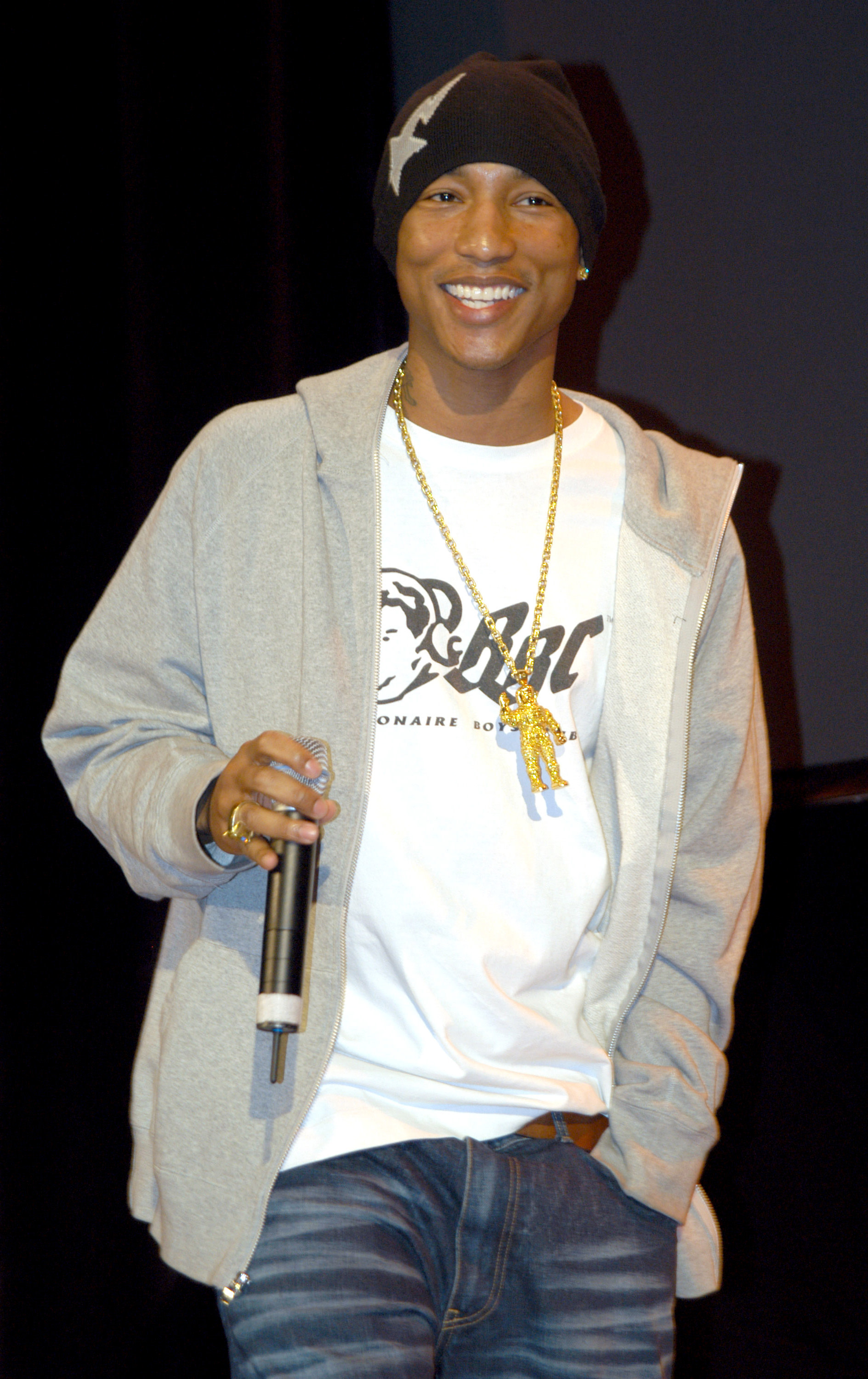
Year founded: 2004
Founder(s): Pharrell Williams and NIGO
BBC’s bold prints and bright colours defined 2000s streetwear. While the brainchild of Pharrell and NIGO has faltered a bit since the height of its popularity at that time, its presence is still being felt. Part of that is Gen Z’s obsessions with the bubbly pieces that it peddled throughout the aughts coming back into vogue by way of vintage sellers. Part of it is consistency through a balanced mix of collabs with titans of culture like the New York Yankees, linkups with new school favourites like Jae Tips, and nostalgic capsules celebrating classics like Clipse’s Hell Hath No Fury. Even if you’ve aged out of rocking head-to-toe BBC, you can’t help but still feel connected to what the brand has built.
Aimé Leon Dore
Year founded: 2014
Founder(s): Teddy Santis
The word ‘cult’ gets thrown around way too much these days, but there are defining factors of the word that fit what Teddy Santis has assembled with Aimé Leon Dore. Devout. Ritualistic. Radical. There is no denying the sartorial congregation inside and outside of the sanctuary that is ALD’s flagship store and cafe on Mulberry Street in Lower Manhattan. Since 2014, Santis and ALD have been one of the best at straddling the line between streetwear, prep, and luxury. They have done it using collaborations with Porsche, The North Face, or German-engineered RIMOWA luggage. ALD also helped propel New Balance to the forefront of streetwear.
Palace
Year founded: 2009
Founder(s): Lev Tanju and Gareth Skewis
When you have the ability to churn out an amalgamation of high-quality goods at a scorching rate, you have to be doing something right. You might say that Supreme is a proven benefactor of this approach. You may also say London-based Palace is one of the best to ever do it. So good, in fact, you might cut someone to get your hands on it? With collections ranging from everyday staples to “I can’t pull that off, but I want it nonetheless” pieces – ‘sup Vivienne Westwood collab? You never know what you might find. New collab with Nike? Cool. Whilst still collabing with Adidas? Uh, OK, sure? Whatever the case, you can’t help but love what it does, for the weirdo and skater alike.
Kith
Year founded: 2011
Founder(s): Ronnie Fieg
There’s no denying that Ronnie Fieg is one of, if not the, king of streetwear. Since launching the brand in 2011, Fieg has evolved Kith from a streetwear contender with a single New York store to globally-revered athleisure and lifestyle giant. While many streetwear brands convey ‘staying true to their roots’ as rebellious messaging and subversive imagery that connects to their collective neighbourhoods, Kith has taken the approach of building brand equity through a never-ending stream of strategic apparel and sneaker collaborations. And they’ve come with monumental celebrities like LeBron James or cultural epicenters like Nike, the New York Knicks, and Coca-Cola. The success it has seen over the past 15 years has come at such an alarming rate, it’s hard to imagine how it will level up next.
Patta
Year founded: 2004
Founder(s): Edson Sabajo and Gee Schmidt
Much like Kith, Patta started out in 2004 as a sneaker-focused store in Amsterdam that evolved into a prolific streetwear brand. However, its impact on the culture is considerably different, yet equally as important. When Edson Sabajo and Gee Schmidt decided to expand their reach with a clothing line, it was never to ‘get big’ or to try and steal a share of the market; it was to amplify their community. As one of the first Black European-owned streetwear labels, they knew their vision and strong relationships with artists would help create a label that people would gravitate towards. At the same time, they laid the foundation for more Immigrant-owned, independent labels out of Europe to exist because they paved a road in an already crowded space. While its standing partnership with Nike continues to grow its popularity, Patta uses that fuel to give back through youth programs, community events, and the Patta Foundation. It’s why ‘Out of love and necessity rather than profit or novelty’ is their slogan.
Awake NY
Year founded: 2012
Founder(s): Angelo Baque
According to the streets, nobody is currently embodying the true spirit of New York streetwear like Awake NY. That’s because the brand’s Queens-born and raised designer, Angelo Baque, is the true embodiment of the New York streetwear culture. When he decided to take his talents as the creative director for Supreme to start the homegrown brand a decade ago, he knew he had what it takes to create something real that uplifted the city that raised him. Now, Awake’s momentum has not slowed down with the continued success from its Jordan Brand collabs, considering they keep on coming.
The All-Stars
Denim Tears
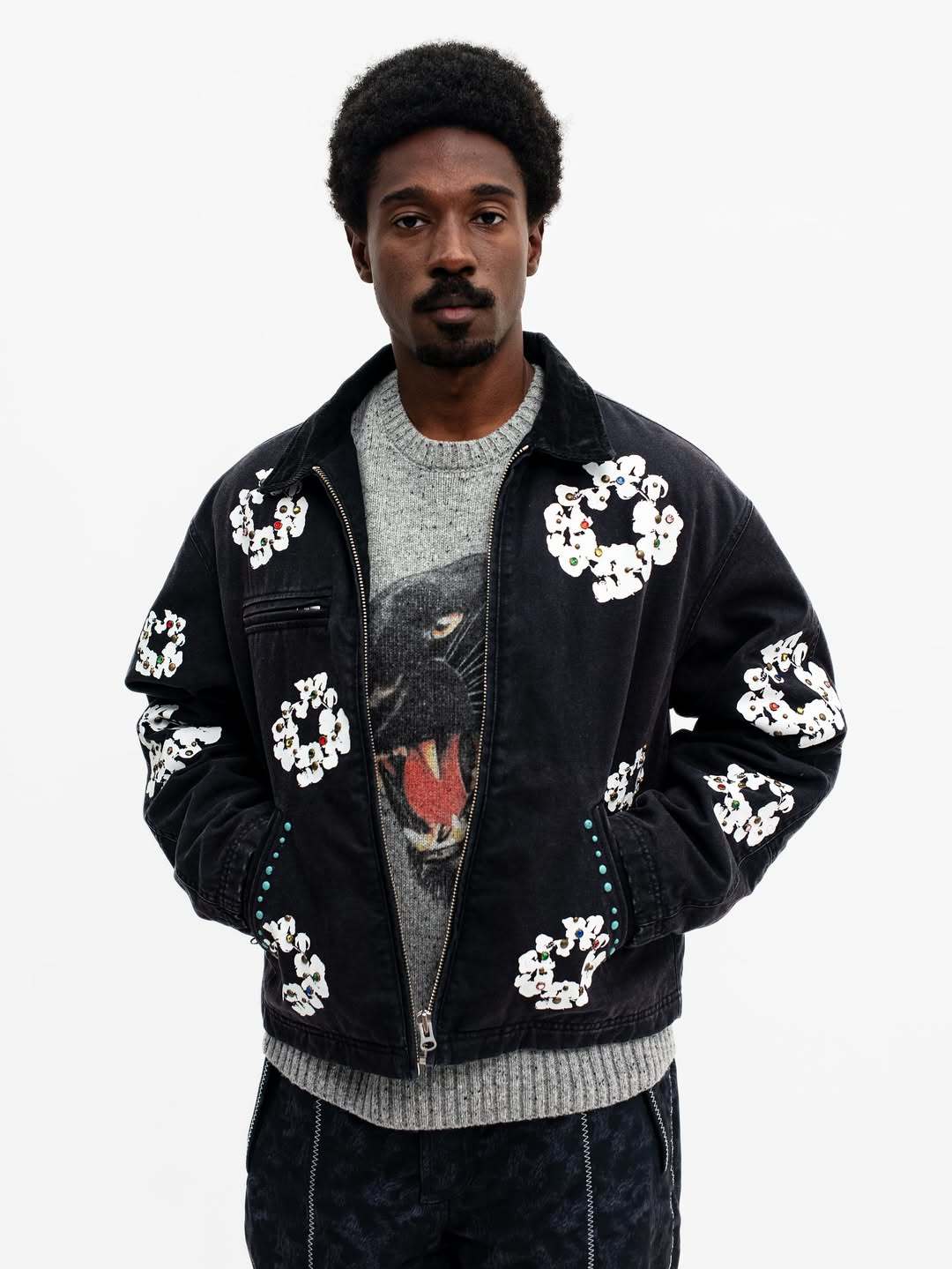
Year founded: 2019
Founder(s): Tremaine Emory
Tremaine Emory has done it all. He’s been creative director of one of the most influential streetwear brands of all time, Supreme. He’s worked alongside two of the most influential people in streetwear, Virgil Abloh and Ye. And, of course, he’s created one of the most culturally significant streetwear brands of the past decade in Denim Tears. Not many people are in this type of echelon, but Denim Tears doesn’t necessarily run off of Emory’s clout. And the fact that it lives in a space that pushes the boundaries of intellectual, thought-provoking engagement, a space that hasn’t always seen success due to the overall frivolity of streetwear, has proven streetwear can be smart AND chic. You still see the Cotton Wreaths everywhere, now in leather or adorned with Swarovski crystals.
Corteiz
Year founded: 2017
Founder(s): Clint Ogbenna
There are a few very specific reasons Corteiz was Complex’s Best Streetwear Brand of 2025. Clint Ogbenna is one of the realest, most engaged dudes in the business right now. Corteiz kicked off the reawakening of the Nike Air Max 95. Its pop-up approach to distribution feels special, exclusive, and kind of dangerous. Corteiz is a rebellious youth’s wet dream. But is there enough substance? Corteiz’s releases continue to raise eyebrows, especially collabs with Denim Tears, but the brand’s sustainability has proven it doesn’t always need to rely on gimmicks.
Kids of Immigrants
Year founded: 2016
Founder(s): Daniel Buezo and Weleh Dennis
Coming into ComplexCon 2025 as one of the most-talked about brand booths of the year prior, Kids of Immigrants had lofty expectations to try and meet. Its collaboration with Nike felt like it had been years in the making, waiting for the perfect opportunity to enter and really drive the conversation. The emotional storytelling Daniel Buezo and Weleh Dennis bring to the space has captured the attention of those looking for community and meaning. The purity of their messaging within collections promoting family and friendship may come off like a Hallmark special to some, but in a sea of apathetic, often tone deaf content, KOI chooses love. Truthfully, we all need a little more of it.
Hellstar
Year founded: 2020
Founder(s): Sean “Seanie” Holland and Joseph “Juice” Pendleton
This New Age of streetwear is driven by viral, energetic moments that are amplified by influential endorsements. Sean Holland has made Hellstar the pinnacle of this phenomena, taking its dystopic commentary and pairing it with big, bold imagery that the youth pines for. Holland and his tight circle showcase the raw, unfiltered, and gritty side of today’s streetwear purview through big ass flames and religious symbolism. As it starts to grow up into something quite large, just look at its collaborations with Adidas and ESPN, it will be at the forefront of this completely new lane it has helped create.
KidSuper
Year founded: 2010
Founder(s): Colm Dillane
Quiet as it might be kept, Colm Dillane has kept his foot on the gas since starting his brand in a Brooklyn studio in 2010. Not only has KidSuper been able to keep a consistent presence in Paris through its runway shows, which are always among some of the hottest tickets of the week, but it has continued to rack up insane collabs. An ongoing partnership with Puma taps into Dillane’s love of soccer. The brand has designed a Mercedes-Benz concept car that looks like something out of Kids Next Door. Its Bape collab from 2024 helped reinvigorate that OG brand with a younger audience. Maybe the best part of the KidSuper ascent is that everything it does circles back to the community, whether it be the musicians he creates with at its studio or the local designers it highlights with events during New York Fashion Week.
Cactus Plant Flea Market
Year founded: 2015
Founder(s): Cynthia Lu
Pharrell once said that when he’s wearing Cactus Plant Flea Market, he doesn’t feel like he’s ‘living in the matrix of the social norm’. Cynthia Lu has worked to avoid such ‘norms’ while simply wanting to be different since launching the brand in 2015. CPFM has quickly emerged as streetwear’s ‘Fun Uncle’ collaborator and merch provider, bringing the brand’s patented DIY-vibey look and ‘it’s whatever, man’ feel to whomever it deems worthy of waving the brand’s freak flag, from Andre 3000 to Nike to I Think You Should Leave comedian, Tim Robinson.
Rising Stars
Carpet Company
Year founded: 2015
Founder(s): Ayman and Osama Abdeldayem
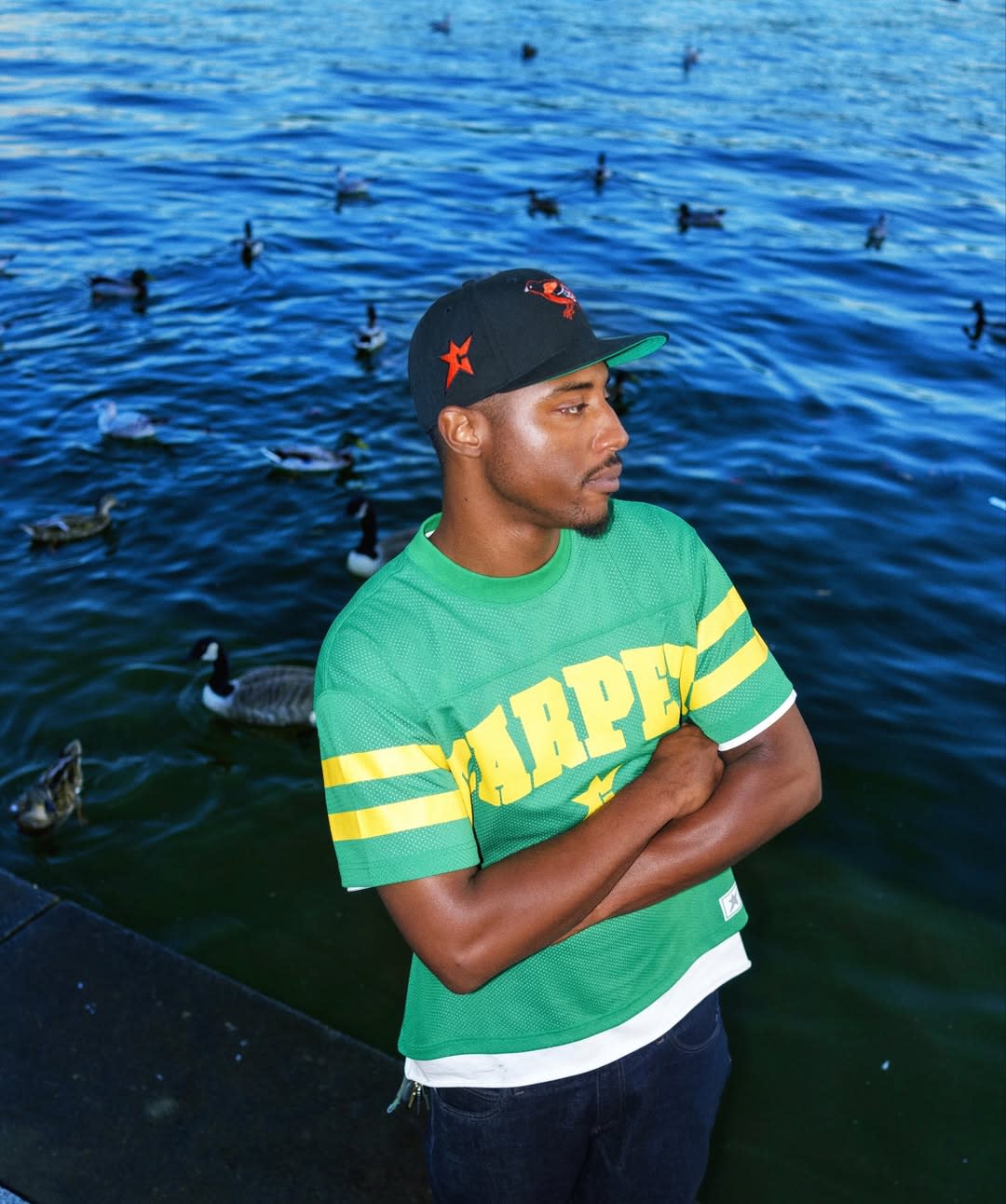
Skate culture is interwoven in the fabric of streetwear, so it’s no shock to see a smorgasbord of brands bred from skateboarding meccas like New York and Los Angeles. But to see one as bona fide as Carpet Company out of Baltimore? Brothers Ayman and Osama Abdeldayem have bet the farm on it, or at least a 1,300 square foot retail space in the heart of Baltimore’s ‘Black Broadway’. But you can do that when you’re poppin’, and the new flagship store opening in the spring is a testament to the importance of building a core following by staying authentic, epitomizing skatewear with tongue-in-cheek graphic T-shirts and hoodies, and an almost chaotic usage of different fabrics. It’s also why Nike tapped them for one of the best SB Dunks of the 2020s, invoking the 2010 hypebeast in all of us.
Brigade
Year founded: 2014
Founder(s): Aaron and Sarah Maldonado
Most streetwear brands have a tough time transitioning from a DIY screenprinted T-shirt model to something more mature. Then, there’s Brigade. No one has had a bigger glo’ up than the New York-based brand did with their Fall/Winter 2025 ‘Me vs. The Ave.’ collection, with its jewellery store-inspired motif, cowichan knits, and the return of the iconic pillbox hat. A resurgence from a New York underdog? No wonder it collaborated with the New York Giants. It’s hard to believe a brand that launched in 2014 could accomplish this and just be a flash-in-the-pan, so this resurrection is one to keep your eyes peeled to.
Taller De Rafa
Year founded: 2018
Founder(s): Rafa and Genesis Valverde
During COVID-19, your creativity was either tapped and elevated to a higher plane or was stuffed deep down into a cavernous hole. Lucky for Bronx-based atelier, Taller de Rafa, it emerged from the former with a very specific purpose: to provide a label that promotes ideation and artistry. ‘Rafa’s Workshop’ shies away from the allure of hype or exclusivity, focusing more on storytelling through craftsmanship, something their automotive-inspired collection has in spades.
Cease
Year founded: 2022
Founder(s): Daniel Picitti and Ethan Pylypiw
‘Minimalism’ isn’t typically a word you see describing today’s up & coming streetwear brands, but when you are founded by two design and consulting geniuses that have worked with streetwear stalwarts like Supreme, Arcteryx and Stone Island, it all makes sense. Daniel Picitti and Ethan Pylypiw have managed to take the focus off of their prowess to try and cement Cease as the new standard for streetwear essentials. Its US-made, high-quality basics are designed to be dressed up or down, depending on your necessity. Even its Instagram is focused purely on the product, introducing an array of colourful cosy pieces that should undoubtedly be occupying any streetwear lover’s closet in the near future, before its too late.
Homerun
Year founded: 2024
Founder(s): N/A
The Gen Z fitness craze is unprecedented, but seeing it crossover into the streetwear space is even wilder. Somehow, Homerun has found a way to become its hub and it is blowing up like nitro. Since launching its Brooklyn storefront in 2024, Homerun has already gotten the Supreme cosign with a collaborative collection and started a run club with Nike, complete with custom pairs of the Air Max Plus and Vomero.
74IsWar
Year founded: 2023
Founder(s): Sleazy JPG
A Corteiz collab in 2025 gave the brand a big boost, but the Atlanta label was already making noise before that. It has been able to quickly accumulate a loyal following with a contemporary take on classic Americana and military gear that’s included fleece camper bags and striped rugby sweaters. By looking into the past, the brand is creating a core uniform for its young community to carry into the future.