
There is no greater unifying occasion than the FIFA World Cup. A global event that occurs every 4 years. It is the summation of 4 years of effort; the ups and downs of footballers’ dreams to stake a place in selection for their national teams, the gradual and alluring curation of the stages to host these worldly games, and, of course, a ceaseless stream of analysis and content as these teams strive to establish legacy, create history, and become champions of the World.
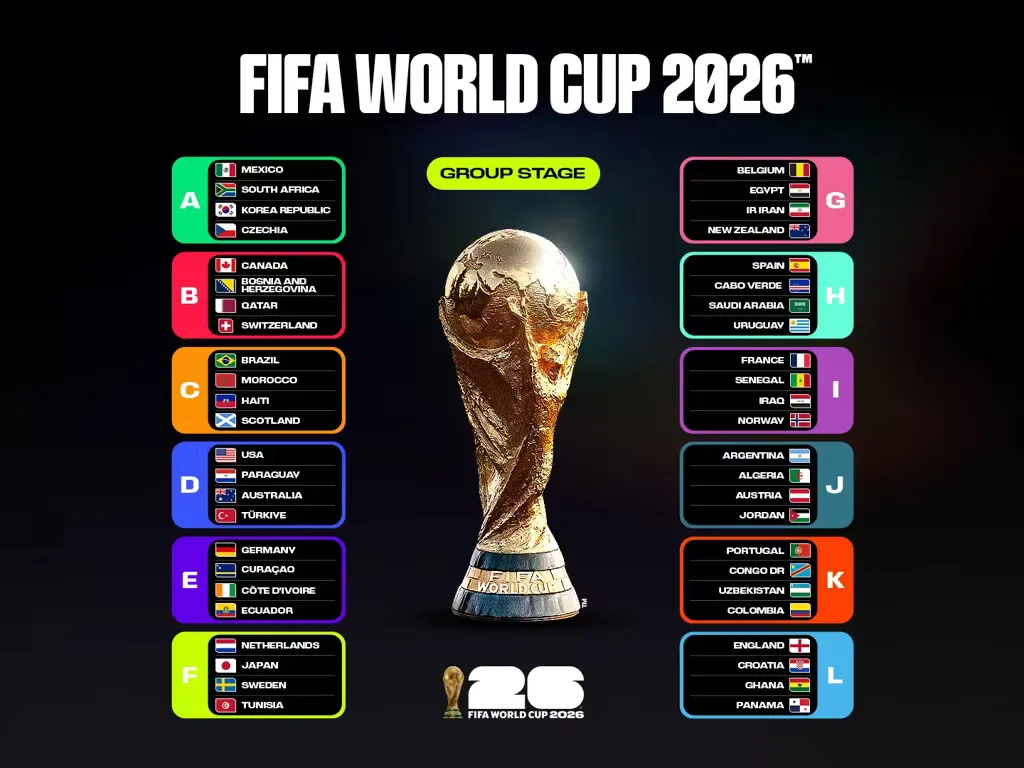
The Biggest World Cup of All Time
This year’s edition of the World Cup introduces a few key changes, including it being the first tripartite hosted games – three host nations of the United States, Mexico, and Canada, as well as an expansion of competing teams — rising from 32 to 48 teams, 8 groups to 12, which means 104 matches are to be played. The competition will last a week longer, which is exciting for fans – but maybe questionable in terms of players’ fitness for their upcoming seasons.
Nevertheless, debutant nations like Cape Verde, Curacao, Jordan and Uzbekistan have the chance to write a new breadth of history, while iconic nations of the game are chasing their own to cement another step. The Pharaohs and the greatest AFCON nation of all time, Egypt, have never won a game at the World Cup – and in what’s presumed to be Mohammed Salah’s last appearance in the tournament, the entire Footballing World would love to see him win with Egypt. In 2022, Morocco achieved the highest finish of all time for an African nation – finishing 4th after reaching the semi-finals.
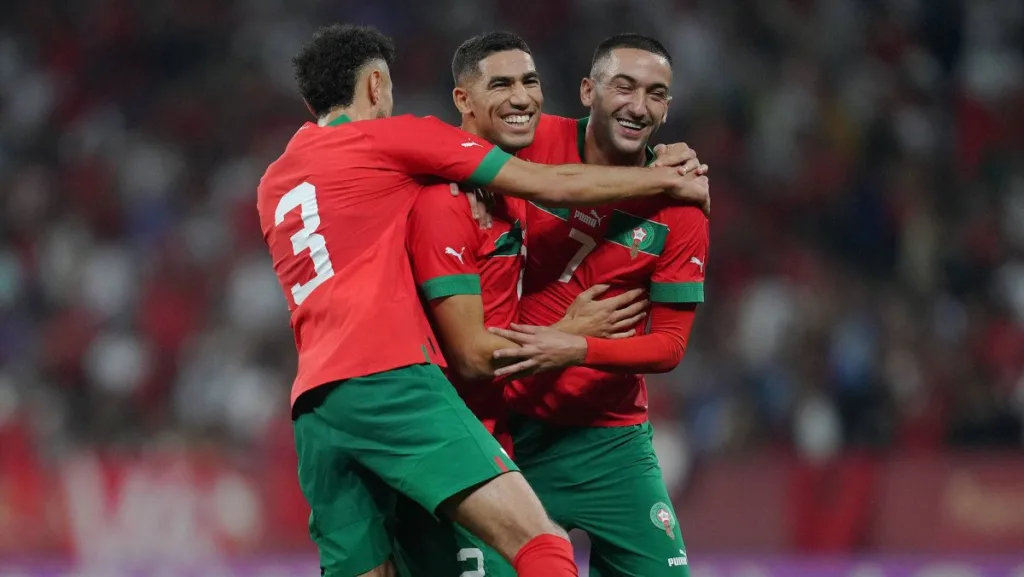
The prescribed winners of a contentious AFCON, the Moroccan’s would be looking to redeem themselves on the pitch. Even South Africa has made a return since becoming the first African nation to host the competition, which will be followed by Morocco in the next edition’s tripartite hosting with Spain & Portugal. Algeria’s 12-year absence from the World Cup has come to an end, while Tunisia and Qatar feature in consecutive editions – the latter qualifying for the first time beyond being the previous host nation. Saudi Arabia has qualified for three World Cups in a row, which, commendably, is taking the most homegrown and playing talent to the games. 24 out of 26 of the selected players all play in the Saudi Pro League.
What Expansion Means for the Game
The expansion not only raises competition but offers a reformation of what this competition means. It creates chances for developing teams and nations within the game, like Jordan, a chance at qualification. Consequently, this is definitely the biggest World Cup thus far, the most ambitious and expensive, that will accumulate the most views and generate the most money. Though Football fans and the casual watching world are engrossed in the festivities of the World Cup – not the numbers. The communal watch parties, ticketed event spaces generating enticing vibes for both avid and casual fans, and even workplaces and schools granting time off to show unified support for their countries. The convention is colourful, the competition is captivating, and the world is awake to the wonder of what could be if we express such unity continuously. However, this edition, like its predecessors, arrives with its own controversies, as the US’s political realities and commercial interests once again cast a shadow over the beautiful game.
A World Cup with a modern American Touch
The last time the USA hosted the World Cup was 1994, and it was recognised as one of the greatest World Cups of all time. Brazil lifted their 4th World Cup as the legend Romario stole the show. As America has been one of the biggest markets in the World for a long time, it was an easy choice to host the games. With infrastructure at the ready, the funding of the World Cup only required around $500 million, and the USA became an ideal stage.
Promotion, advertisement, the eventual establishment of the MLS, and the general appetite of American showmanship coincided with the then relatively large ambitions of FIFA. Fast forward 32 years later, the USA returns to be the majority host of this largest edition alongside Canada and Mexico – but its controversies outweigh the prospect of them being the ideal hosts.In 1994, World Cup ticket prices ranged from $25 for group-stage matches to $475 for the most expensive seats. Adjusted for inflation, that top-end ticket would cost roughly $1,067 today.
Read More

In this 2026 World Cup, the expenses have skyrocketed. Tickets range from anywhere between $300 and a few million due to a dynamic pricing model, similar to booking an Uber during a rush hour period, with FIFA taking a percentage of the resales. Transits and train services to areas hosting the games have gone up by 1000% in cost; hotel averages in all 16 North American hosting cities have increased by 300%, and this doesn’t even consider travel costs. Some fans are having to pay for their visas, extortionate flights on top of their tickets – just to be denied entry upon arrival. The outpricing of the average fan has made it clear – this World Cup isn’t for the people; it is for the wealthy class.
The Insane Business of the FIFA World Cup
The USA has been at war with fellow participant Iran, in an unprecedented situation which sees a host nation at war with a participant for the first time. As a result, Iran has been subject to denied visas for coaching staff and their fans having their rightfully paid-for World Cup tickets revoked. Trump’s anti-immigration ban list, an immigration rhetoric which fuelled his campaign for a second term post impeachment, has impeded the unity of the World Cup. Amongst the 39 countries on the ban list are 4 competing nations – Haiti, Ivory Coast, Senegal and Iran – with their fans reporting struggles to obtain visas, not knowing if they’d be denied entry upon arrival, like the Somali referee Omar Abdulkadir Artan was – interrogated for 11 hours before being denied entry and sent away. Returning to Moghadishu today to a hero’s welcome, the respected African referee received little public support from FIFA throughout the process.

Officials cited concerns over alleged links to a designated organisation, though similar issues have affected travellers from a range of countries navigating increasingly strict entry procedures. The episode has raised broader questions about access, consistency, and fairness ahead of a tournament that aims to bring the world together. While every World Cup arrives with its own controversies, the restrictions surrounding entry to the United States have become an especially prominent part of the conversation

UK based writer, cutting across Complex UK & Complex MENA.