

Paris Society’s expansion across the UAE signals a wider shift in how hospitality groups are redefining the role of restaurants. Several of its Dubai venues now function less as dining destinations and more as multi-use spaces built around longer stays, spanning work hours, family time, and late nights without a change of location.
Formerly operating as Rikas Hospitality Group, Paris Society runs a portfolio that has been gradually layered with functions beyond traditional meal occasions.
Some of that expansion is logistical. Restaurants including Mimi Kakushi, XU, Eugène Eugène, Gohan, Ninive, and Lana Lusa Water Canal are listed on delivery platforms, extending their reach off-site. Seasonal formats like Iftar packages tie them to specific calendar moments, and a reported “Chef at Home” concept would move the offering further from fixed venues altogether.
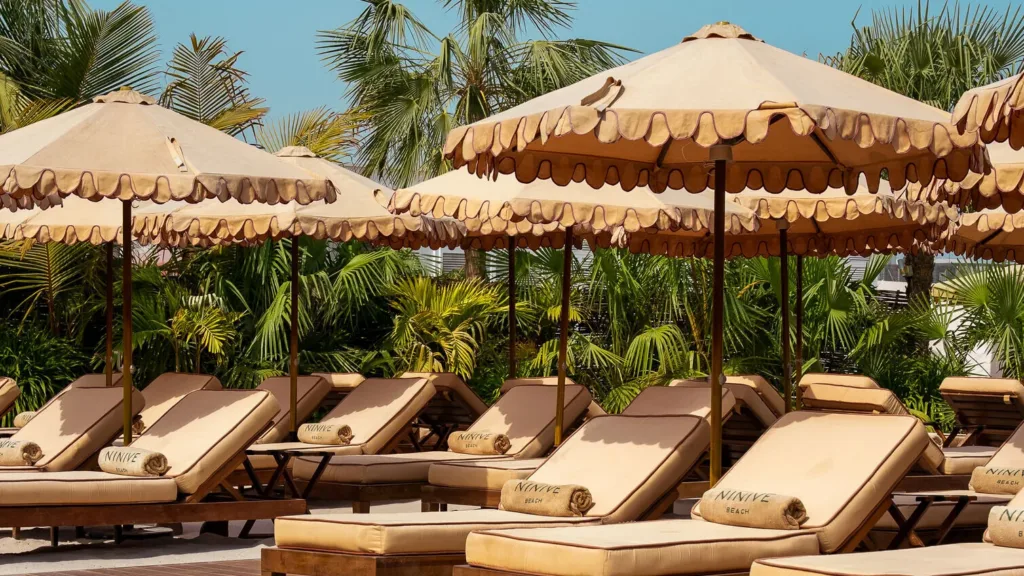
The more visible change, though, is on-site. Eugène Eugène has introduced a daytime co-working setup, a direct response to how hybrid work has reshaped demand for third spaces in Dubai. Business lunch menus remain a standard daytime draw, but within a framework that prioritises dwell time over table turnover.
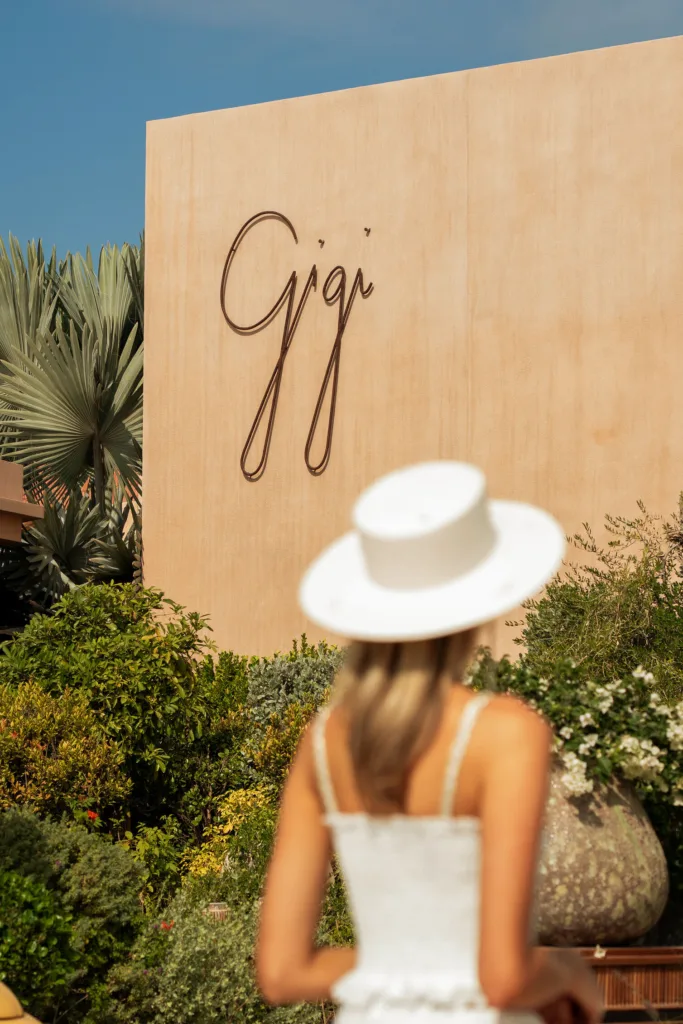
Beach venues including Gigi Rigolatto, Tagomago, and Ninive operate on a spend-to-access model, where sunbeds and cabanas are tied to food and beverage minimums. It’s an approach now common across Dubai’s hospitality scene, where the value proposition has shifted from what you eat to how long you stay.
Programming extends that logic further. School holiday activations, kids’ camps and supervised spaces, have been introduced at some locations, while others schedule stand-up comedy nights or DJ sets to carry venues through the evening. Targeted offers for specific groups, including government employees, suggest a parallel push towards building repeat visitors rather than relying on one-off footfall.
Read More
Founded in 2008, Paris Society operates more than 70 venues globally across restaurants, nightlife, and events. Its current approach in the UAE points to a market where dining is increasingly the entry point rather than the main event.
Most Popular
Read More
-

Adidas, Nike -

Grand Theft Auto VI artwork via Rockstar Games -
Via Mohamed Salah on Instagram.