
No matter the cuisine, one always finds a spot to enjoy — that is the beauty of Dubai and its dining scene. Where there are people, there will be culture, and the growing expatriate community of Filipinos in Dubai means that there are some great concepts bringing a true taste of home to get behind.
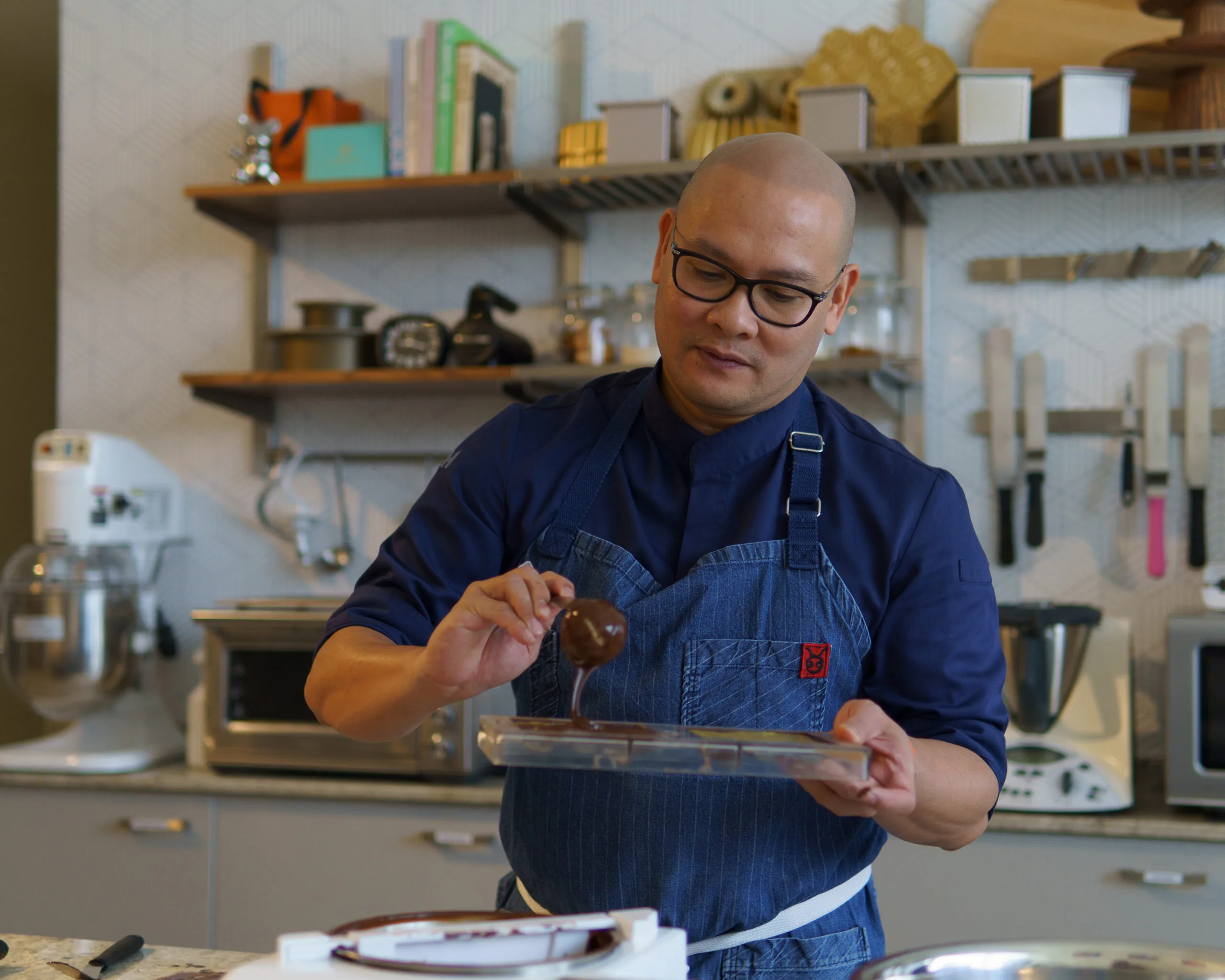
Chef Nouel Catis, pastry chef extraordinaire and the brains behind SNA’AP Chocolates, takes me through the only food trail you’ll need to experience the best of Filipino food in Dubai.
Kooya Filipino Eatery
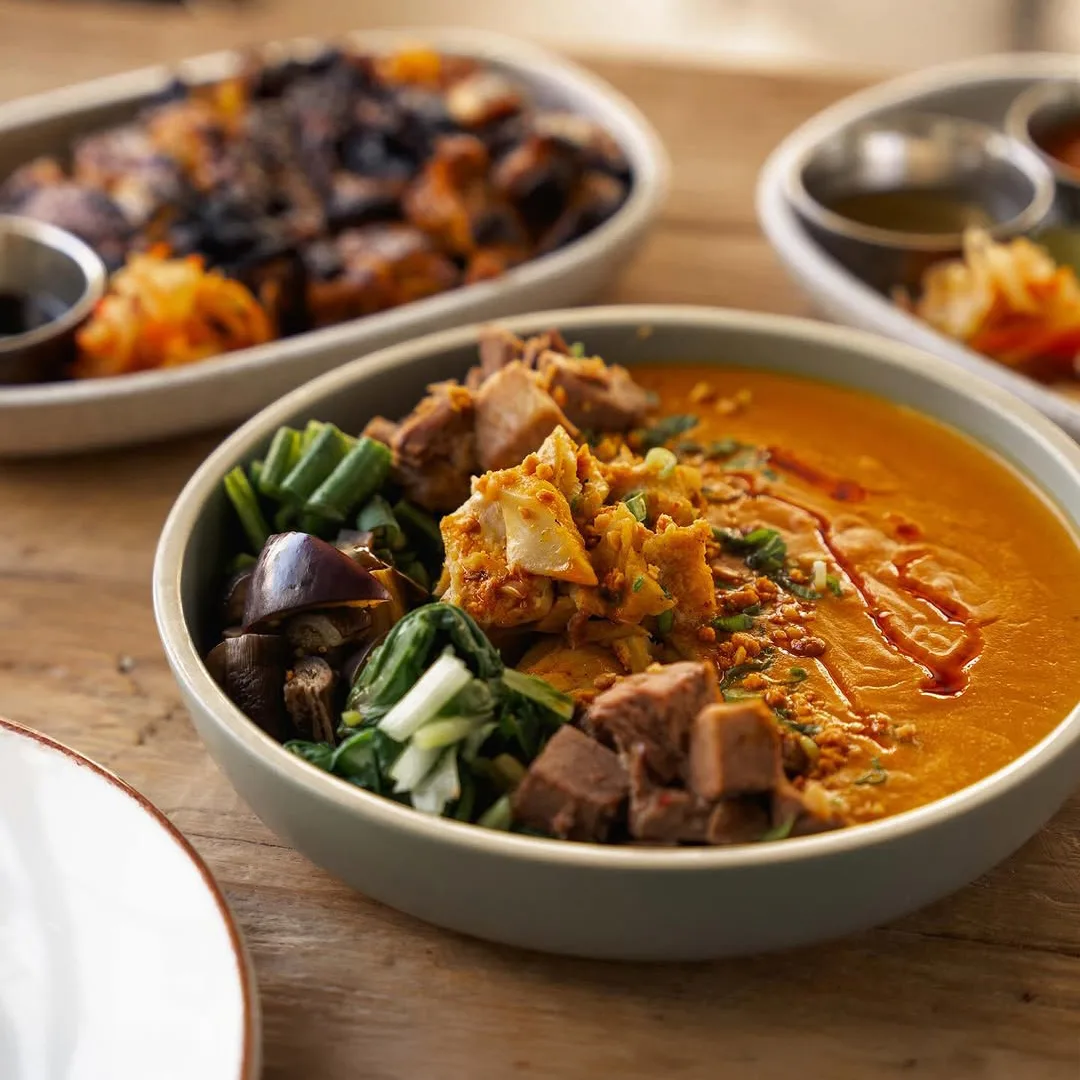
For Chef JP Anglo, at the helm of Kooya Filipino Eatery, the mission remains constant — to put Filipino food up there on the world culinary map. His vision is that with every bowl and bite a diner enjoys, he or she discovers or rediscovers the colour and joy of Filipino cooking. Created by one of Dubai’s very own, this space is real, raw and free from fuss and frills, serving honest effort and a razor-sharp focus on flavour over form.
“I’m always a big fan of Chef JP,” says Chef Nouel. “Even back home, he’s a force to be reckoned with, in terms of reinventing Filipino favourites but still staying authentic. So definitely, his take on Filipino food for me – when you eat his food, it reminds you of home, so there’s a nostalgia value there.”
Jollibee
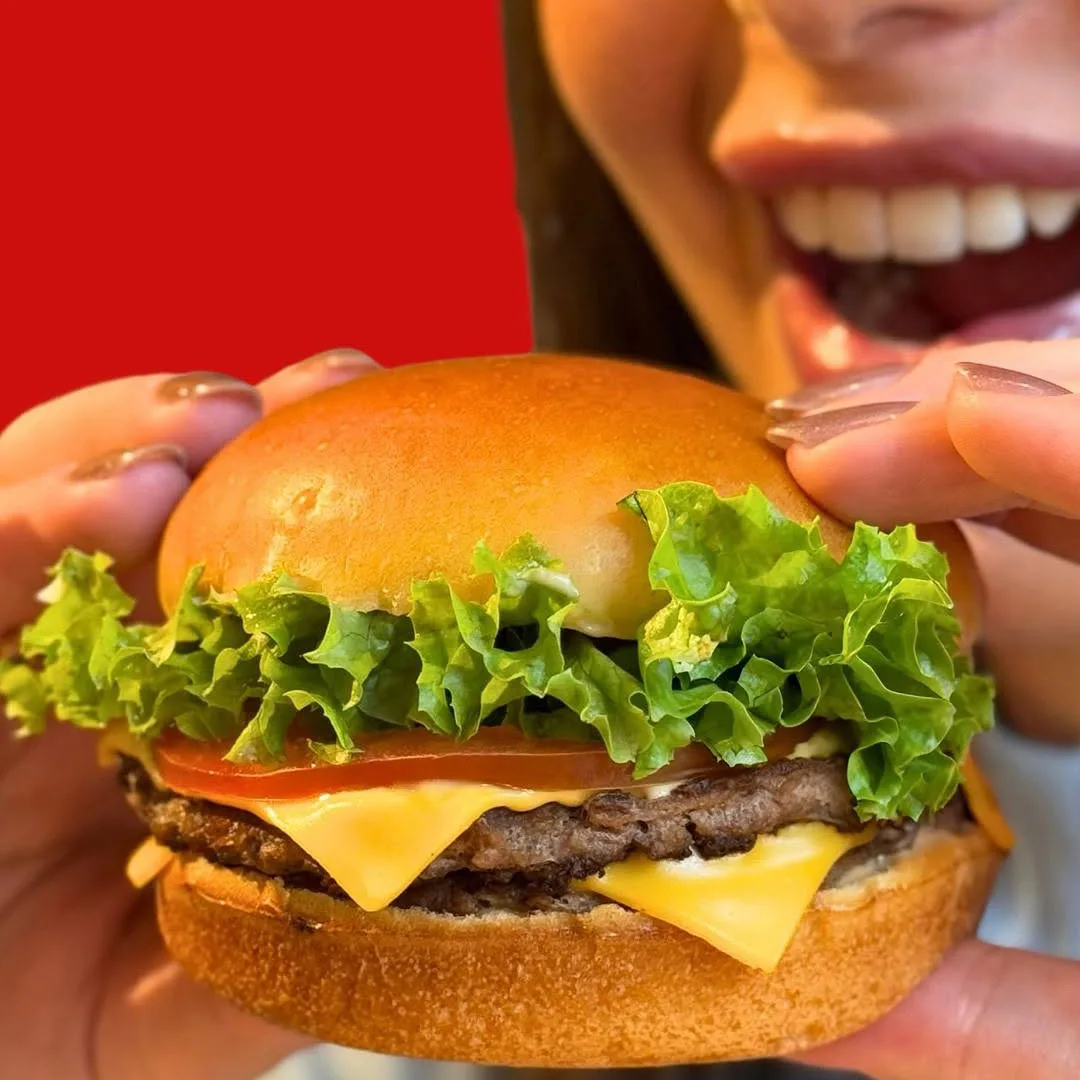
“Jollibee is like the McDonald’s of the Philippines. Or the Filipinos,” says Chef Nouel. “Growing up, as far as I can remember, although it was a fast food chain, going there was kind of a treat, and that was the fried chicken.”
My personal experience of Jollibee lent the conclusion that the vital difference between that and say, KFC, was that everything had a hint of sweetness to it, from the Filipino style spaghetti, another popular choice, to the chicken itself. Chef Nouel confirms my theory, as supposedly almost every Filipino dish has a bit of sugar in it — even the savouries are paired with sugar. For example, the champarado, a porridge made with rice and condensed milk, paired with fried fish, is a popular dish.
“Sweetness is a part of our flavour profile. When we have birthday parties, the spaghetti would be made of banana ketchup. It’s not tomato ketchup. So banana ketchup is, of course, sweeter. It has hotdog, and we have a salad that’s made of elbow macaroni, but we put condensed milk and cheese in it. We grew up with it, and for us, it’s nostalgia.”
Panadero
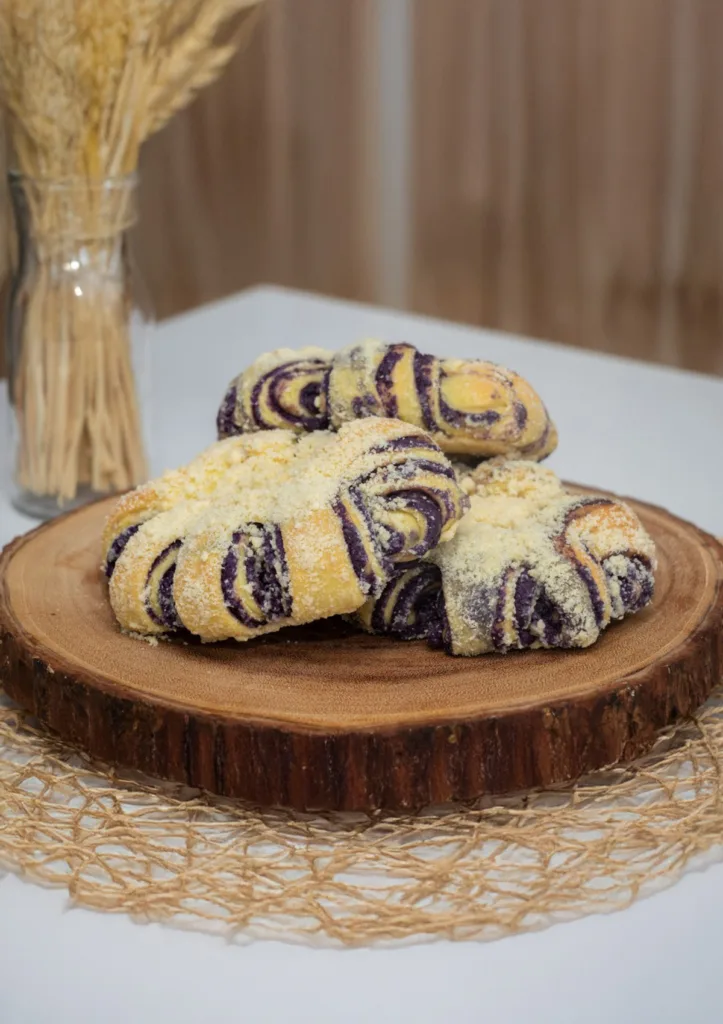
“Pandesal is our go-to Filipino bread, apart from ensemada, and I use it as a vehicle for my breakfast,” says Chef Nouel. “I stuff it with, let’s say, corned beef or cheese or jam or mayonnaise. In the afternoon or lunchtime, I have it with our version of noodles, called pancit, which is just stir-fried noodles.”
The Filipinos are big on breakfast — the first, most important meal of the day, and as such, awarding it that status, their breakfast plates are really ones for the champions. Extremely filling, extremely hearty, and a variation from every region.
“Our spread for breakfast is huge because we have 7,000 plus islands. So every region has its own recipe to offer. So for me, for example, I come from the South, from a place called Dipolog. Normally, I would go for cured meats, sausages, fried egg, and grilled eggplant that’s been refried with an omelette kind of mixture, and banana ketchup. Back home, I’m drawn towards food that has coconut because we grow up with a lot of coconut around the neighbourhood.”
Salvi’s
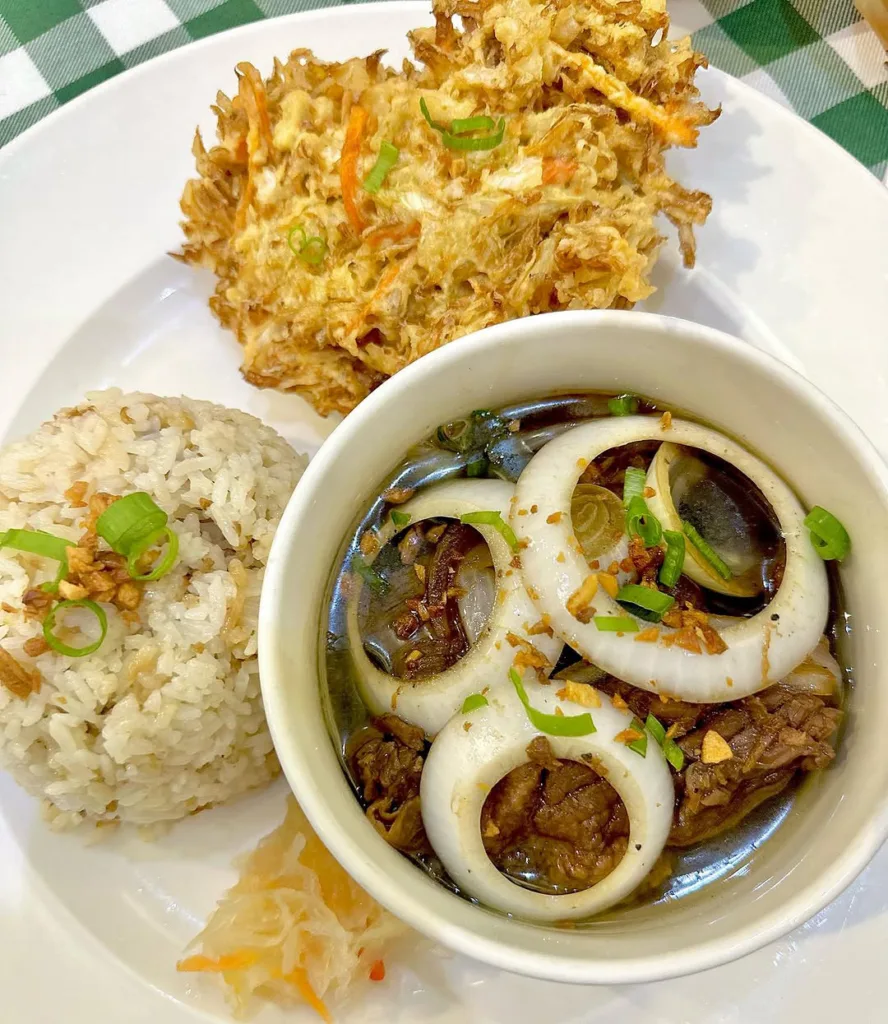
Salvi’s is where you need to go for halo-halo: directly translated to mix-mix. A Filipino dessert that almost every region and generation continues to enjoy, it’s an icon of summer and a love letter to the symphony of textures — sweet, creamy, crunchy and ice cold.
“It’s the same as falooda, from India,” says Chef Nouel. “ We put beans and fruits cooked in sugar syrup, and leche flan, which is actually like a creme brulee. We top it with ice cream sometimes, but usually it has to have ube. Some versions have sago pearls, some have pinipig, which is pounded rice. Some people use cornflakes, which is a more modern adaptation.”
Max’s
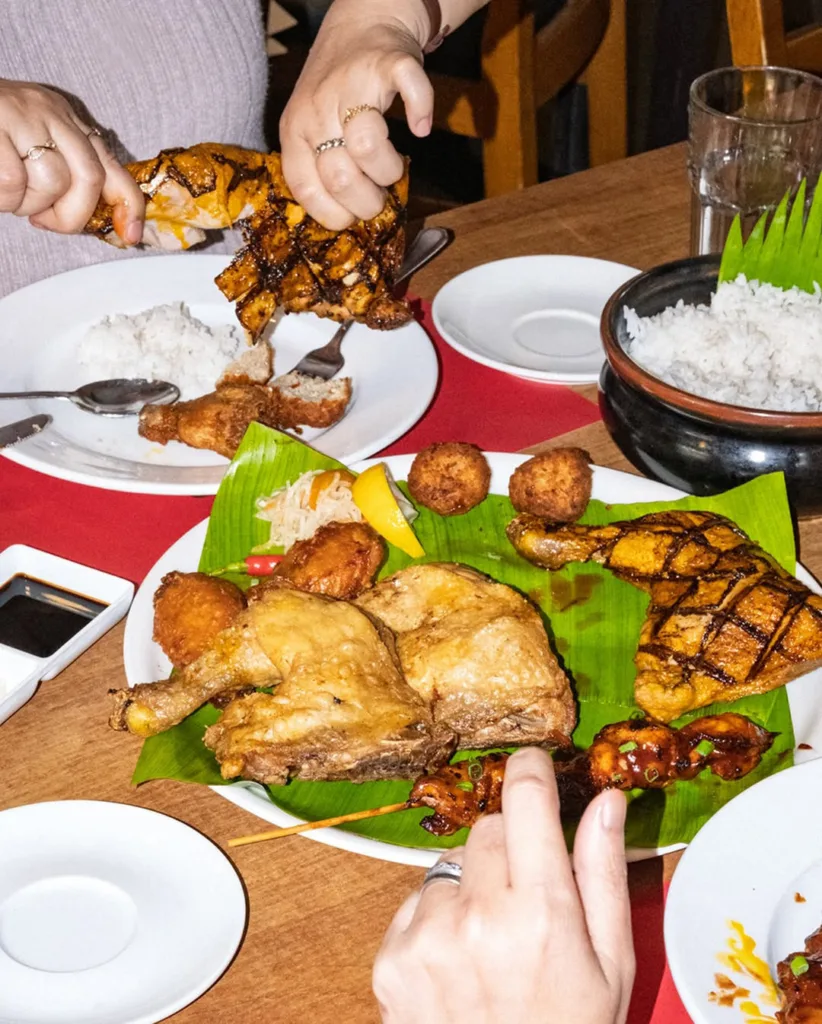
For a more traditional fried chicken, Chef Noul recommends Max’s, another spot laden with nostalgia and a special technique for the chicken that sets it apart.
“I’m sure they first cook the chicken on low heat before they fry it.
So there’s no coating on it. It’s just really deep fried and the skin gets crispy and then it’s served with other varieties of noodles. Also, there’s like a caramel bar. We also have fresh lumpia — a mix of vegetables, wrapped in a kind of soft wrapper, like a spring roll.”
Paluto
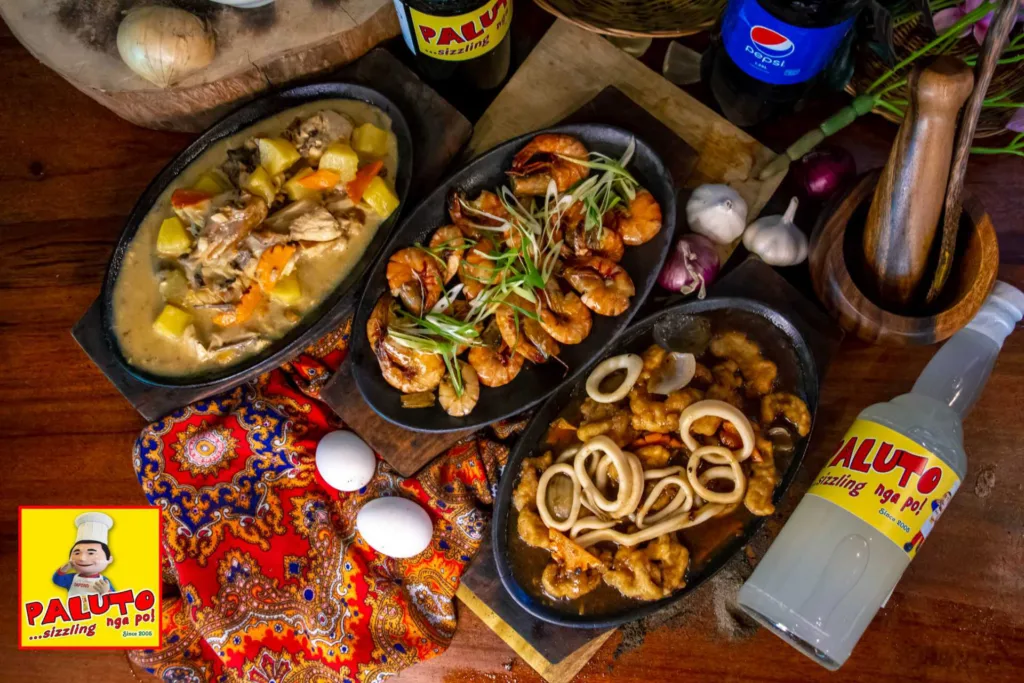
Chef Nouel’s go-to for seafood is Paluto, tucked inside Deira Fish Market. The concept is simple but unbeatable —you hit the market, pick your catch, then bring it to the restaurant where they clean and cook it Filipino style, exactly how you want it.
“If I want to really enjoy a fresh and wider spread of seafood selection, I would normally go to Paluto,” says Chef Nouel. “You go to the fish market, you collect your selection of seafood and then you bring it to the restaurant, the restaurant cleans it for you and cooks it for you. If you really want to treat yourself to good seafood that’s cooked Filipino style, then that’s the place to be.”

Dubai based writer, focused on food and lifestyle stories.


